

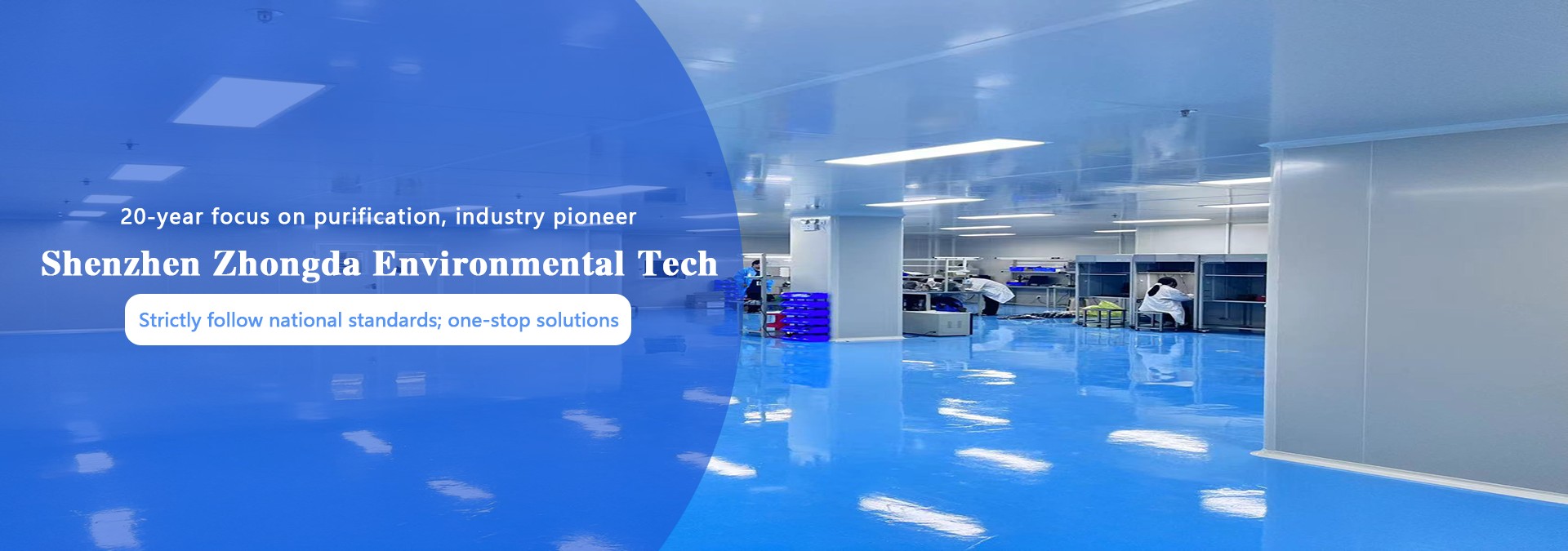
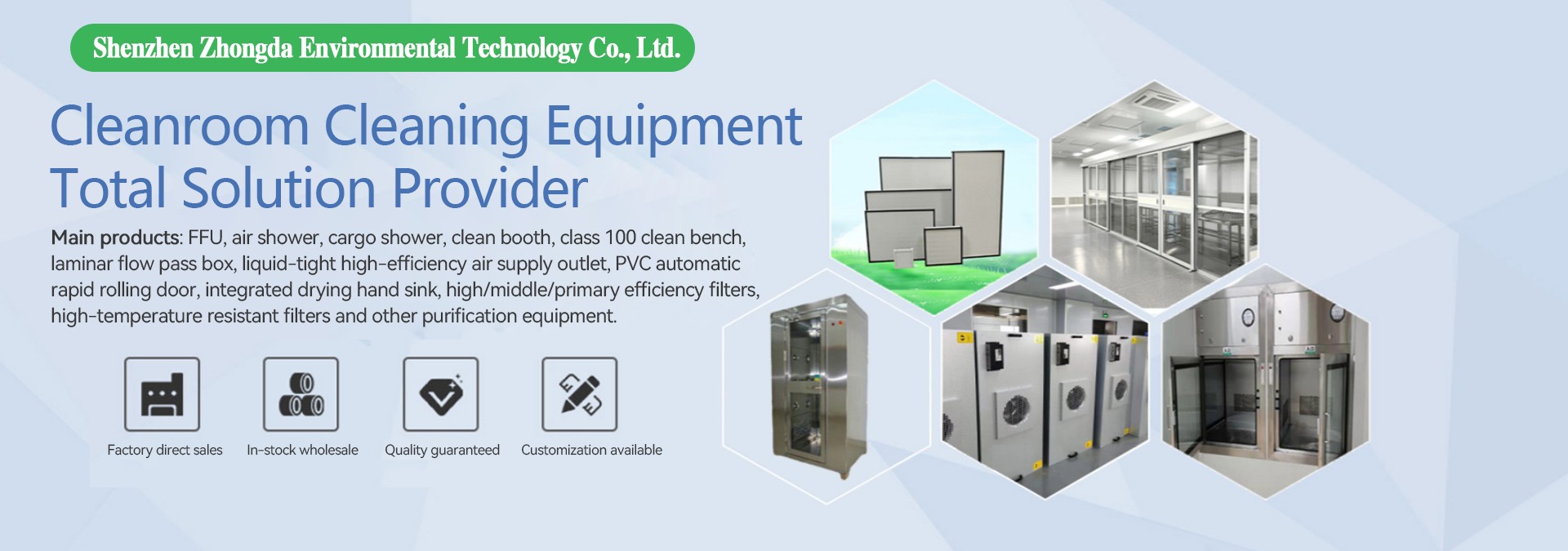
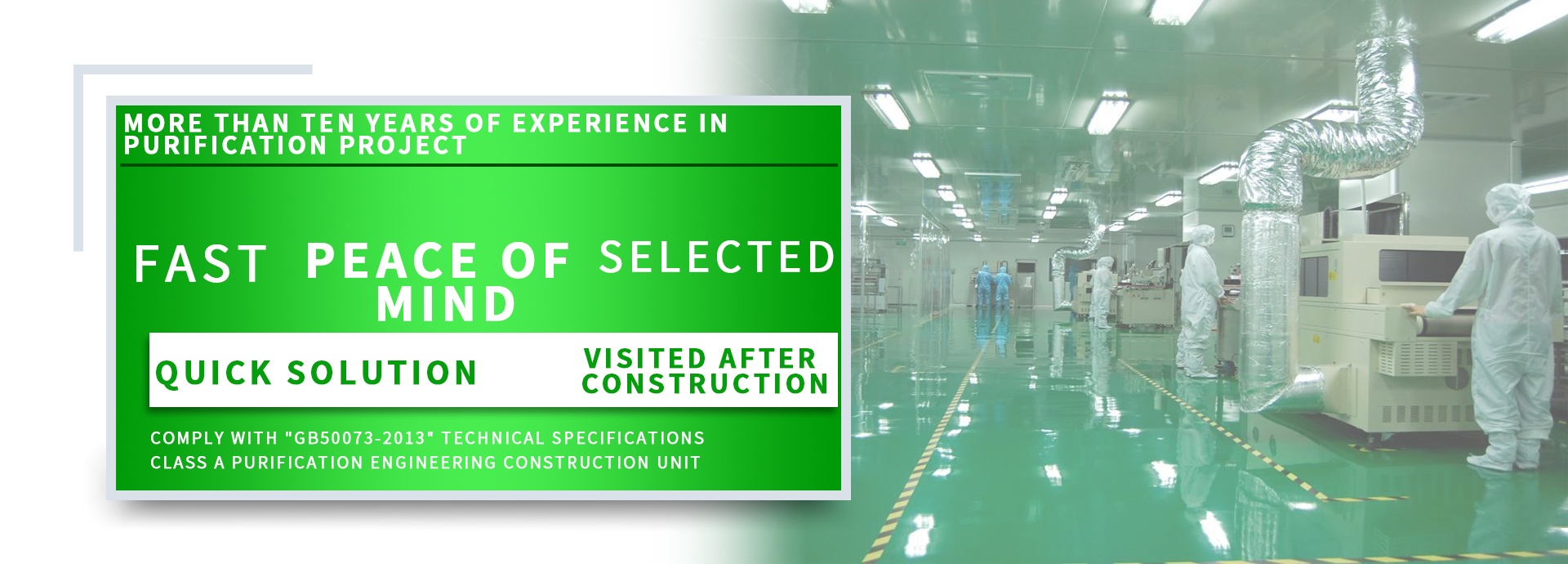
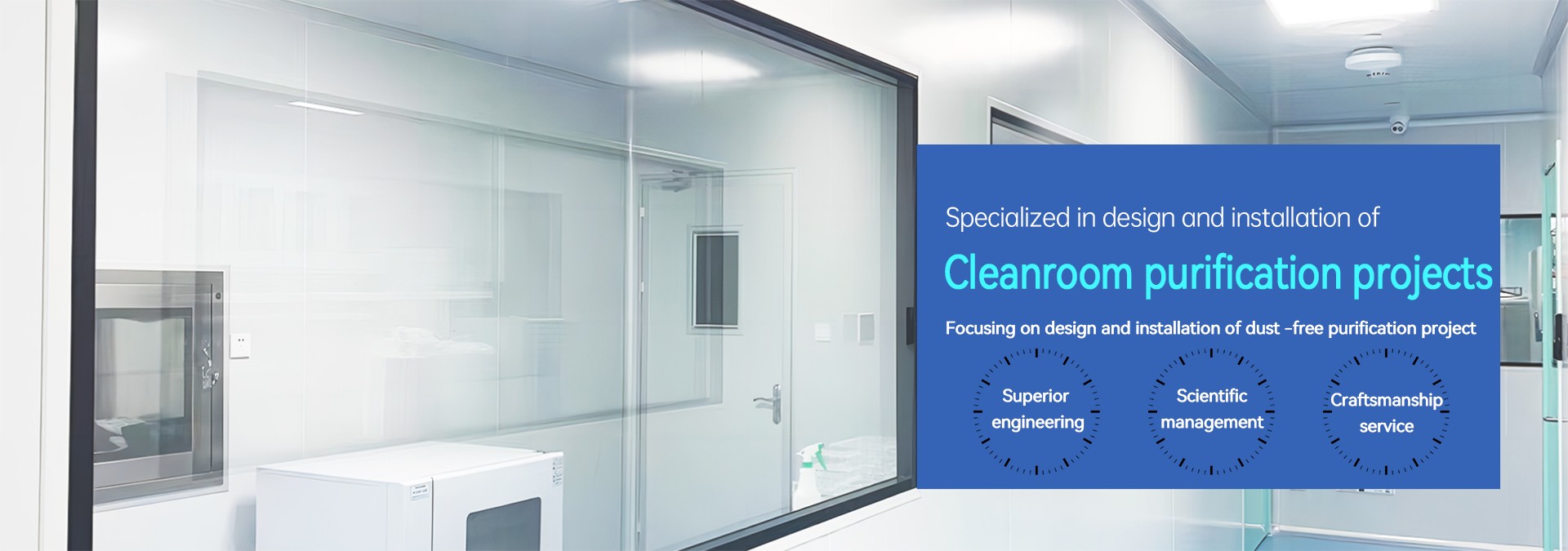
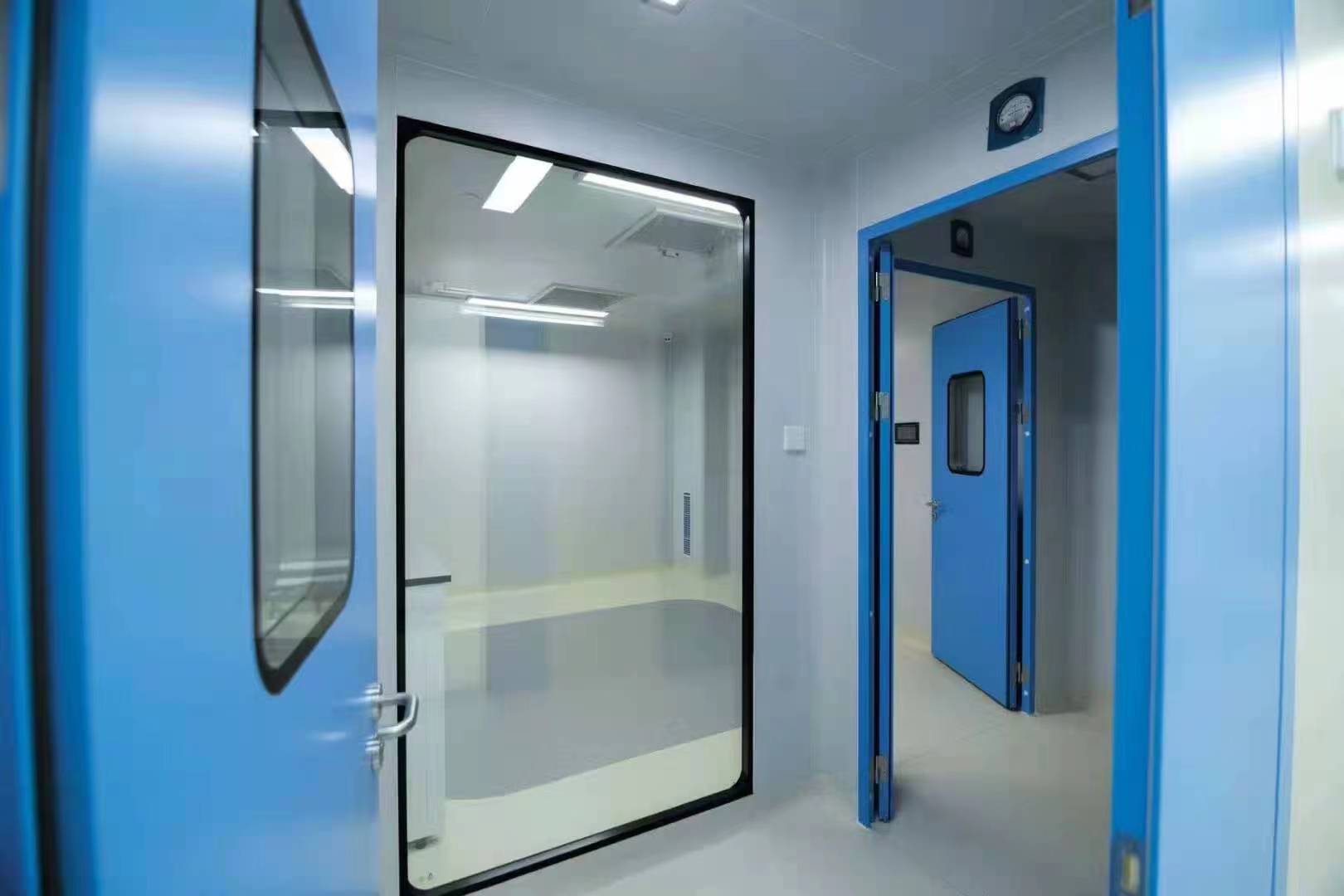
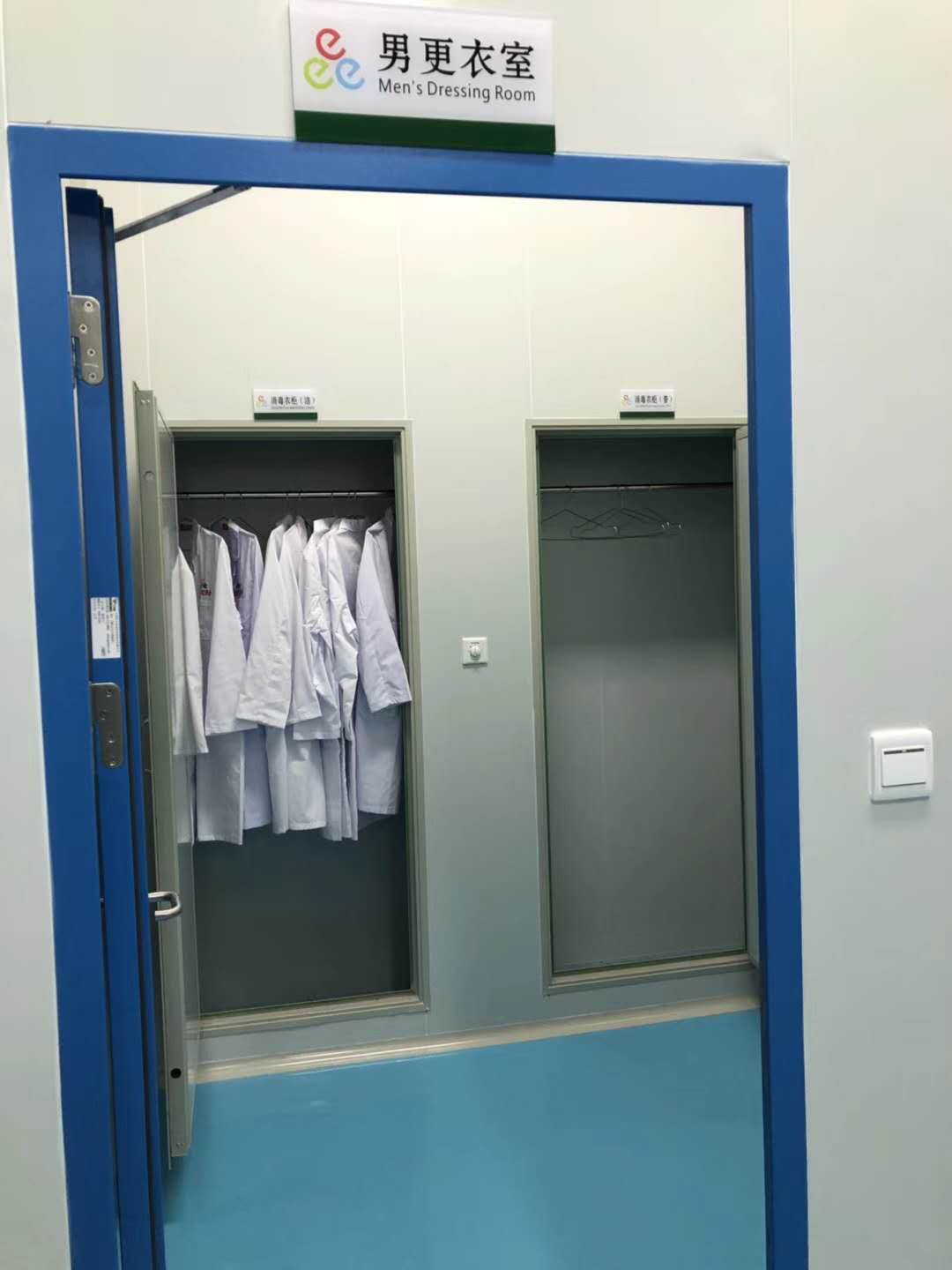
The decoration requirements for sterile medical device purification workshops mainly include the following aspects: 1 Cleanroom level: According to the requirements of the Good Manufacturing Practice (GMP) for Medical Devices, the production of Class II non sterile medical devices typically requires compliance with ISO 7 cleanroom standards. 2. Air purification system: Install primary, medium, and high-efficiency filters (HEPA) to effectively filter out particulate matter in the air. -The air supply system should ensure that there is sufficient fresh air in the workshop, and the air exchange rate is usually not less than 15 times per hour. -The return air system should be located at a relatively low position in the workshop to reduce the impact of air convection on cleanliness. -There should be an air recirculation system, but the recirculating air must be filtered and disinfected. 3. Temperature and humidity control: The temperature and humidity in the workshop should be controlled according to the requirements of the production process. Generally, the temperature should be controlled at 20-24 ℃ and the humidity should be controlled at 45% -65%. 4. Pressure difference control: - Maintain the pressure difference between the workshop and adjacent areas, usually requiring the pressure difference in the sterile workshop to be greater than 10 pascals to prevent the invasion of pollutants. 5. Ground and walls: The ground should be made of materials that are easy to clean, non slip, and resistant to chemical corrosion. The walls should be smooth and seamless, making them easy to clean and disinfect. -The walls and ceilings should be made of materials that are easy to clean, such as PVC sheets or stainless steel, and decorative materials that are prone to detachment should be avoided. 6. Lighting and electrical systems: Lighting should be uniform, avoiding shadows and reflected light to reduce interference with operations and potential pollution risks. -The electrical system should be installed outside the workshop, and all cables and lines should be sealed to prevent dust from entering. 7. Personnel and material flow lines: - Design reasonable personnel and material flow lines to avoid cross contamination, usually with dedicated changing rooms, buffer zones, and transfer windows. 8. Waste disposal: Special waste collection facilities should be set up, and waste should be classified and collected for timely disposal to avoid environmental pollution. 9. Monitoring system: Install monitoring equipment such as air particle counters and temperature and humidity sensors to monitor the environmental conditions of the workshop in real time. 10. Maintenance and Validation: Regularly maintain and validate the purification system, ensuring its continuous and effective operation and compliance with relevant regulations and standards. In practical operation, the design and construction should strictly follow GMP and other relevant standards, and the quality and function of the purification workshop should meet the needs of producing Class II non sterile medical devices