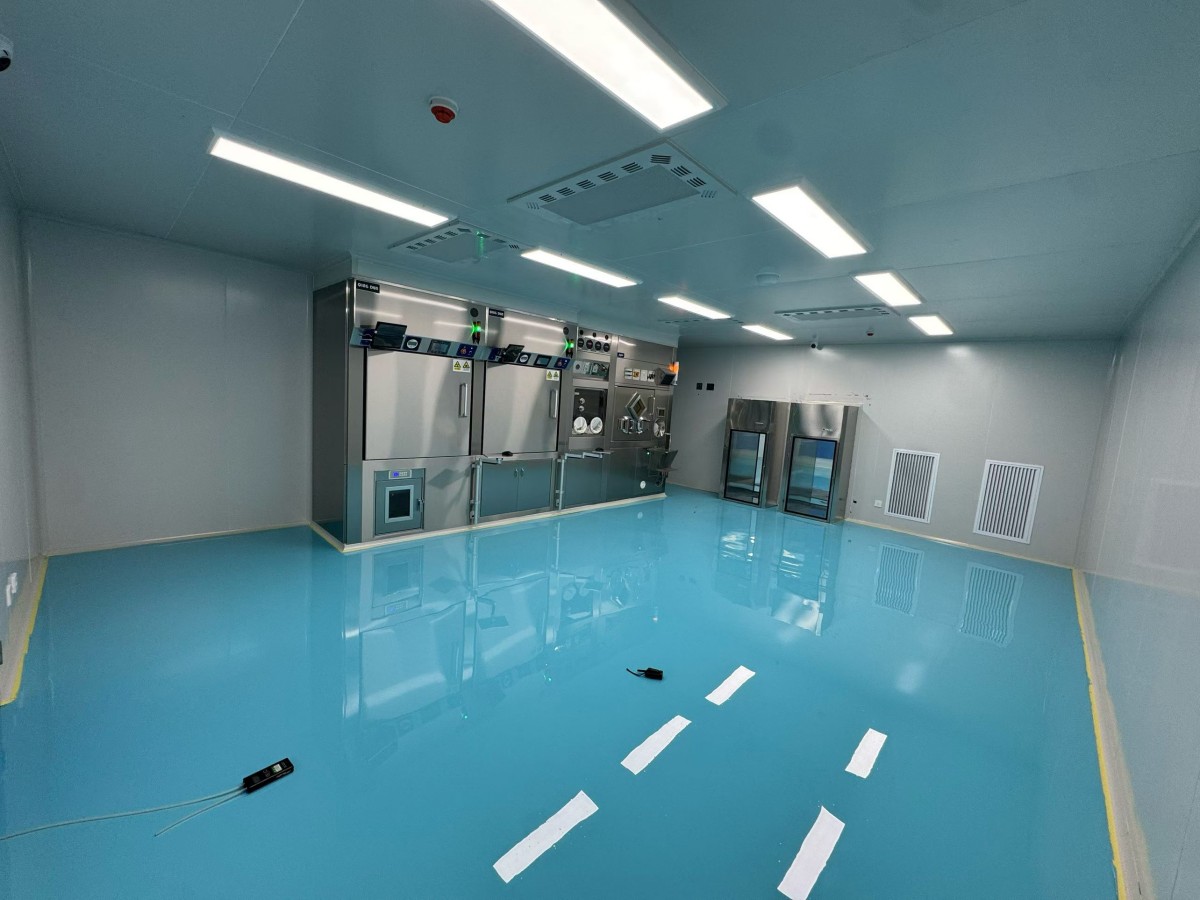

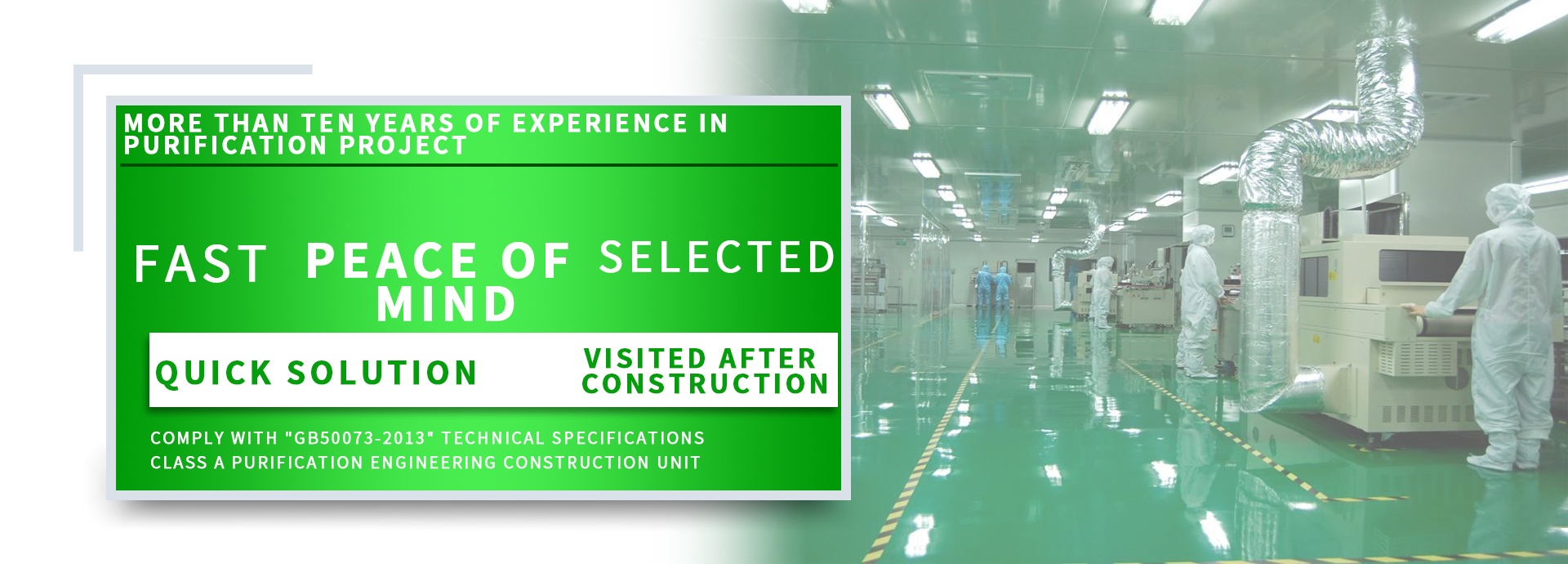
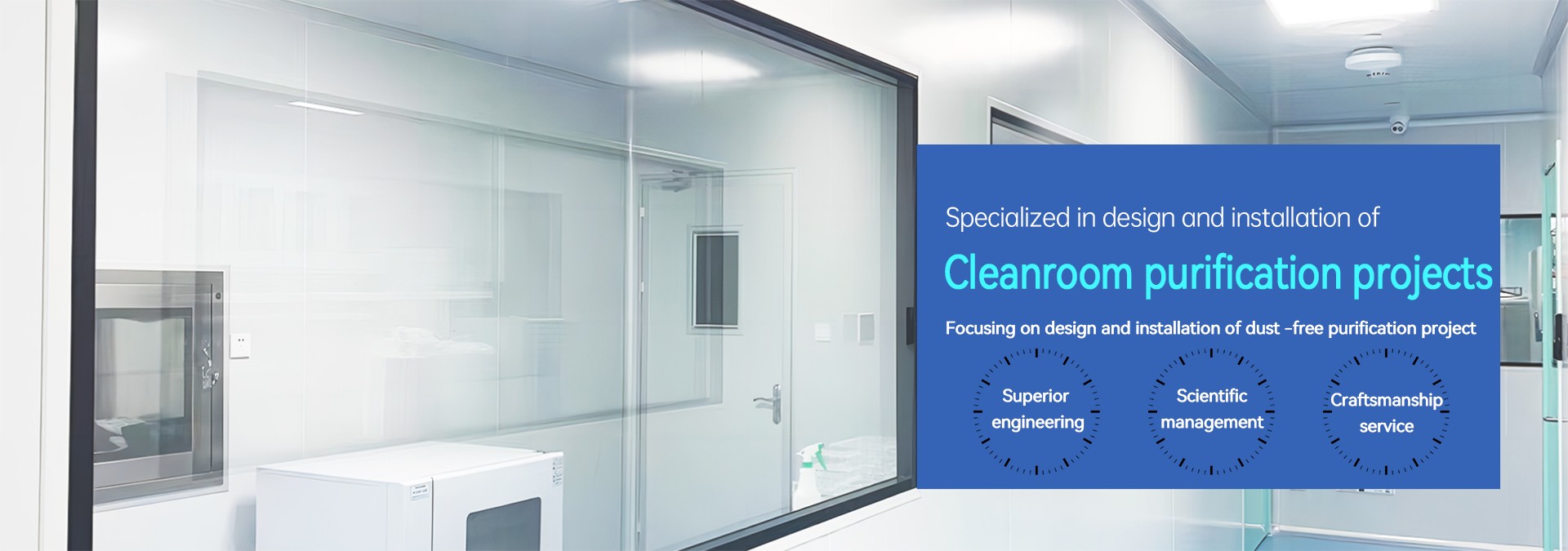
1、 The cleanliness standard testing process requires a completely enclosed workshop before testing, and the purification air conditioning system must operate continuously for at least 24 hours. Testing should be conducted in a static environment, and testing personnel should wear protective equipment such as clean clothing and clean shoes. Use a laser dust particle counter to perform multi-point sampling of suspended particle concentration in the air, with sampling points ranging from 1 to 1.2 meters (or 1 to 2 meters) in height. Collect data three times at each point and take the average. The classification is based on the ISO 14644 standard and is divided into levels 1 to 9. The smaller the number, the higher the cleanliness (such as ISO level 5 corresponding to a hundred level cleanliness). GMP standards are divided into levels A, B, C, and D, with different industries corresponding to different level requirements (such as the commonly used A-level in the pharmaceutical industry). 2、 Temperature and humidity control temperature range: generally controlled at 18-28 ℃ (20-22 ℃ in winter and 24-26 ℃ in summer). Humidity range: usually 45%~65% RH, which needs to be adjusted according to the production process. 3、 Pressure difference and airflow control pressure difference requirements: The pressure difference between clean and non clean areas should be ≥ 10Pa, and the pressure difference between areas of different cleanliness levels should be ≥ 5Pa. Airflow velocity: usually 0.3~0.5 m/s, ensuring uniform airflow and no dead corners. 4、 The ventilation frequency is adjusted according to the cleanliness level: 100000 level workshop ≥ 10-15 times/hour, 10000 level ≥ 15-25 times/hour, and 1000 level ≥ 50-60 times/hour. 5、 Microbial control requires the detection of planktonic and settling bacteria, and the total number of colonies must meet industry standards (such as stricter requirements in the pharmaceutical industry). 6、 The operation of air conditioning systems for equipment and building structures requires stable control of temperature and humidity, and high-efficiency filters must be leak free. The material of the return air duct should be corrosion-resistant (such as hot-dip galvanized sheet) and equipped with a purification insulation layer. The building requires that the walls, floors, doors and windows be sealed to prevent dust, and the joints should be rounded (radius ≥ 50mm). The material should be wear-resistant and easy to clean (such as epoxy resin flooring). 7、 Other standard illuminance: Main area ≥ 300Lux, auxiliary area 200~300Lux. Noise: ≤ 70dB (A). Static control: Anti static equipment or materials need to be installed. 8、 The acceptance test status needs to pass three types of state tests: empty state (no equipment), static state (equipment running unmanned), and dynamic state (normal production), in compliance with national standards (GB50073, GB50591). By conducting multidimensional testing and evaluation, we ensure that the cleanroom meets design requirements and industry standards, and guarantees the safety and stability of the production environment.