

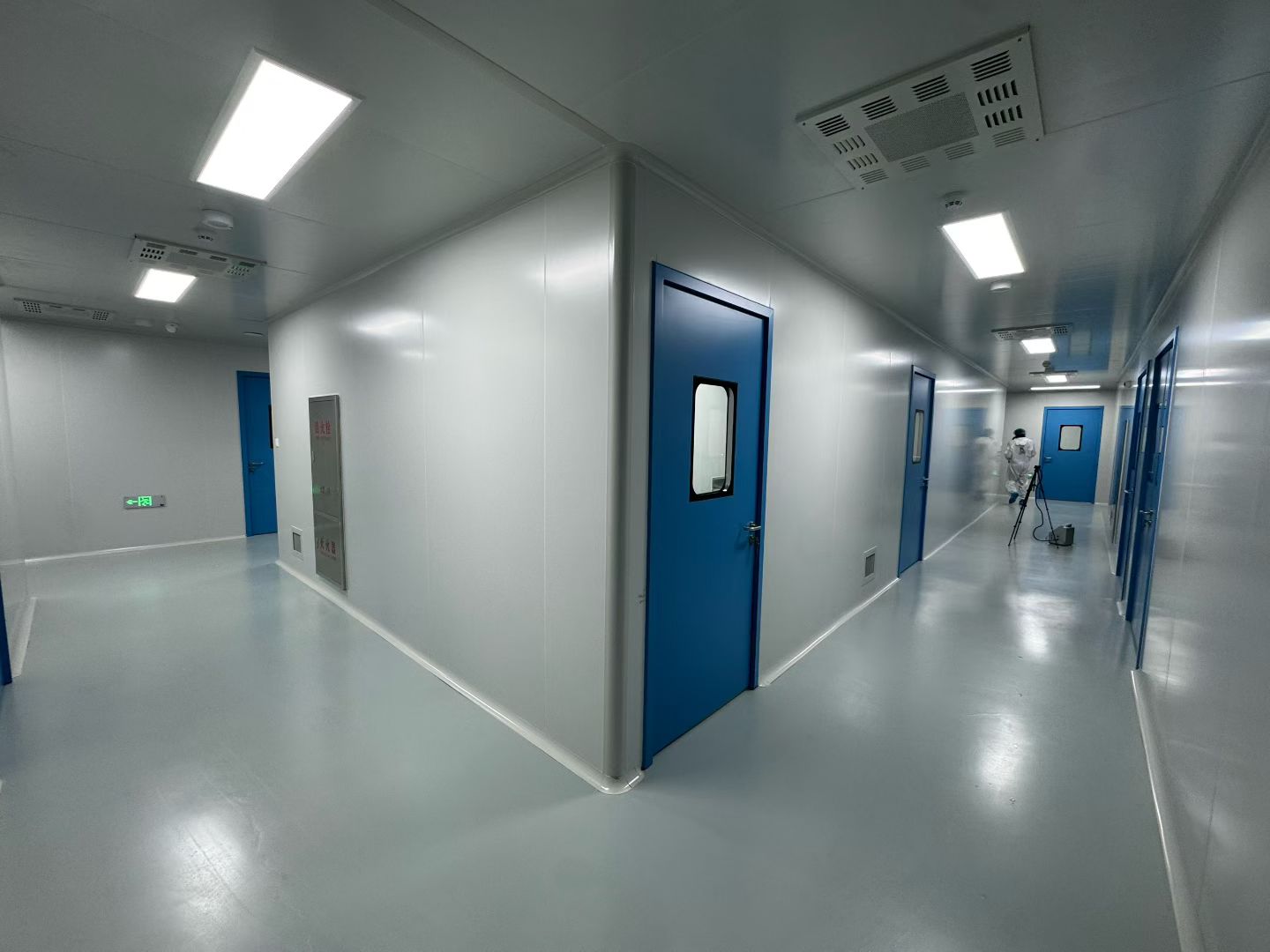
The core functions and roles of PCR laboratory are as follows: PCR laboratory is a standardized laboratory specialized in nucleic acid amplification, detection, and analysis, widely used in fields such as medicine, disease control, food, synthetic biology, and scientific research. Zhongda Environment has been committed to the construction and service projects of PCR laboratory for many years, deeply cultivating and developing. 1、 Main function 1 Nucleic acid amplification (PCR itself) - replicates trace amounts of DNA/RNA in large quantities, achieving a transition from "invisible" to "detectable". -It is the core technical step of genetic testing and pathogen detection. 2. Sample processing and nucleic acid extraction - Purification of nucleic acids from blood, tissue, cell, and environmental samples. 3. Fluorescence quantitative detection (qPCR) - Real time monitoring of amplification process, quantification: measuring viral load, gene expression level, copy number. 4. Gene typing/mutation detection - detecting SNPs, gene mutations, transgenes, and pathogen typing. 5. Product identification and analysis - agarose gel electrophoresis, fragment analysis, and result interpretation. 2、 Core role (why it is necessary to establish a separate PCR laboratory) 1 Pollution prevention (most importantly) PCR is extremely sensitive, and even a small amount of aerosol contamination can lead to false positives. So it must be partitioned, independently ventilated, and have a one-way flow. 2. The results are accurate and reliable, meeting the compliance requirements of clinical, disease control, drug supervision, and third-party testing. 3. Standardization and traceability are applicable to: - COVID-19/influenza/tuberculosis/venereal diseases and other pathogens detection - clinical molecular diagnosis (tumor, genetic disease, infection) - food genetically modified, pathogen detection - forensic DNA identification - synthetic biology, gene editing experiment verification 3, standard 4 areas (the most classic layout) 1 Reagent preparation area - preparation reaction system 2 Sample preparation area - nucleic acid extraction 3 Amplification area - PCR amplification 4. Product analysis area - electrophoresis/interpretation. The airflow and human flow do not flow back in one direction to prevent contamination.