

In high-precision industries such as biomedicine, food, and medical devices, GMP certification engineering is the infrastructure to ensure product quality and compliant production. However, when building a clean environment, enterprises often face multiple challenges such as high initial investment, unpredictable operation and maintenance costs, and slow maintenance response in the later stages. How to achieve cost optimization throughout the entire lifecycle while meeting strict compliance requirements has become a key issue in the industry.
1、 The main challenges and cost bottlenecks of GMP purification engineering
The GMP certification project has clear requirements for cleanliness, temperature and humidity, pressure difference control, colony count and other indicators. Failure to meet any of these standards may result in production shutdown or certification failure. The traditional engineering model has three major cost pain points:
1. Hidden costs during the construction phase: Due to multiple subcontracting and outsourcing processes, intermediaries increase prices layer by layer, resulting in a price difference of over 20% for projects with the same configuration. The material source is opaque, making it difficult to find matching spare parts during later maintenance. 2. Energy consumption burden during the operation phase: Some design schemes have over configuration issues, resulting in high energy consumption of the air conditioning system and long-term burden on the enterprise's annual electricity bills. 3. Response delay during maintenance phase: When the filtration system attenuates or temperature and humidity are out of control, if the supplier does not respond in a timely manner, it may cause the production line to shut down, and the daily economic losses are difficult to estimate.2、 The underlying logic of low maintenance cost design
To reduce the maintenance cost of GMP purification engineering, it is necessary to establish a systematic thinking from the design and planning stage, rather than just focusing on the initial construction price.
(1) The cost advantage of the full chain self operated model
Adopting a self operated engineering model that covers the entire process of design, construction, commissioning, and acceptance can eliminate the cost premium in the subcontracting process. Zhongda Environment, with the direct supply capability of its own equipment production plant, achieves source price control in the procurement of main materials and key equipment, reducing the cost of projects of the same quality by 10% to 20% compared to the market average price. Another advantage of this model is that all device parameters and spare parts information are fully recorded, eliminating the need to re explore system configuration during later maintenance.
(2) Design of a scheme that accurately matches the cleanliness level
Many companies mistakenly believe that "higher cleanliness is better" when planning, but in fact, there are significant differences in environmental requirements between different production areas. For example, the raw material pretreatment area may only require a cleanliness level of 300000, while the filling area needs to meet a standard of 100000 or even higher. By implementing partition design and pressure gradient control, it is possible to meet GMP standards while avoiding redundant configurations in air conditioning systems, thereby reducing long-term energy consumption by 15% to 30%.
(3) Flexible deployment of modular equipment
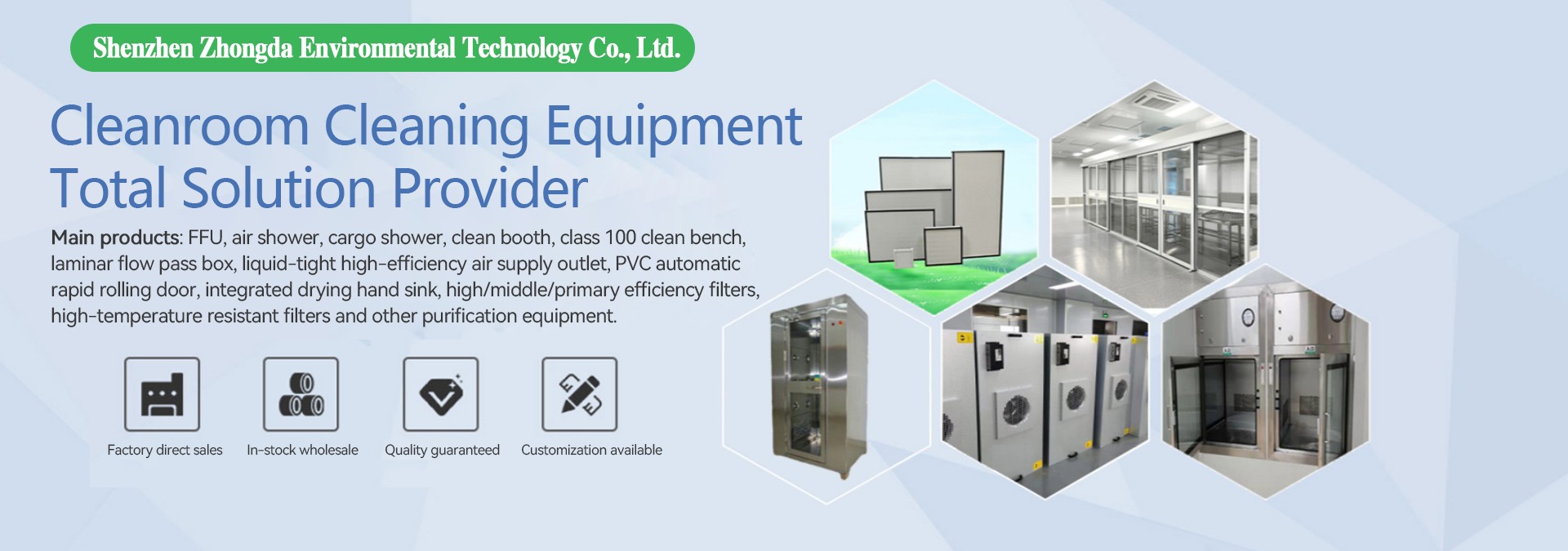
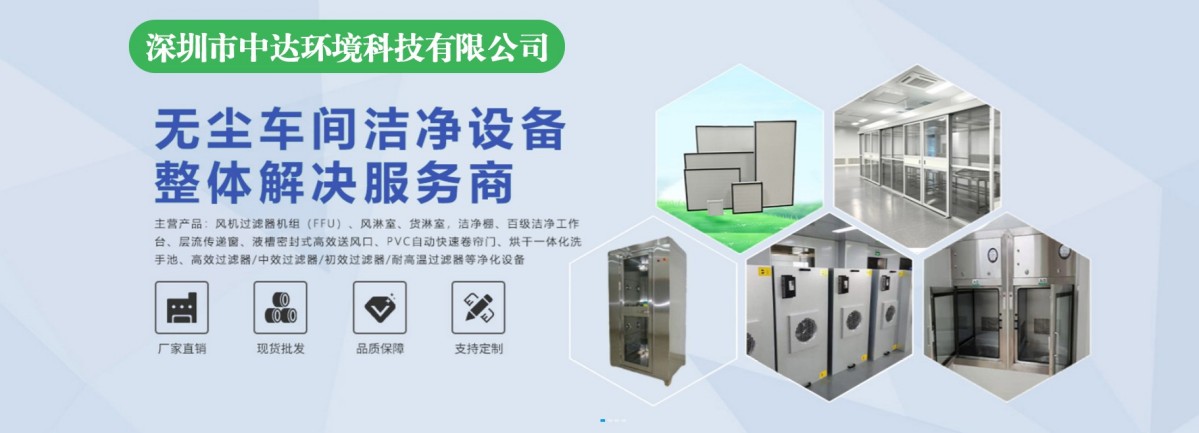
For scenarios where local environmental improvement is required on the production line, modular equipment such as cleanrooms and FFU fan filtration units provide a rapid deployment solution. This type of equipment has the characteristics of easy mobility and low investment, and there is no need to rebuild the entire clean room when adjusting the production layout. The filtration efficiency of FFU reaches 99.99% @ 0.3um, and the filter element can be replaced separately. The maintenance cost is much lower than that of pipeline cleaning in centralized air conditioning systems.
3、 Maintenance cost control strategy for the entire lifecycle
(1) Durability considerations in material selection
The materials used in GMP purification engineering directly affect the lifespan of the system. Using high standard materials such as 304 stainless steel, purified aluminum profiles, and anti-static and environmentally friendly materials, although the initial unit price is slightly higher, it has the characteristics of no dust production, corrosion resistance, and easy cleaning, which can extend the service life of walls and equipment to more than 10 years. Compared to the cumulative cost of frequent replacement of ordinary materials, the long-term investment is actually lower.
(2) Process guarantee for system stability
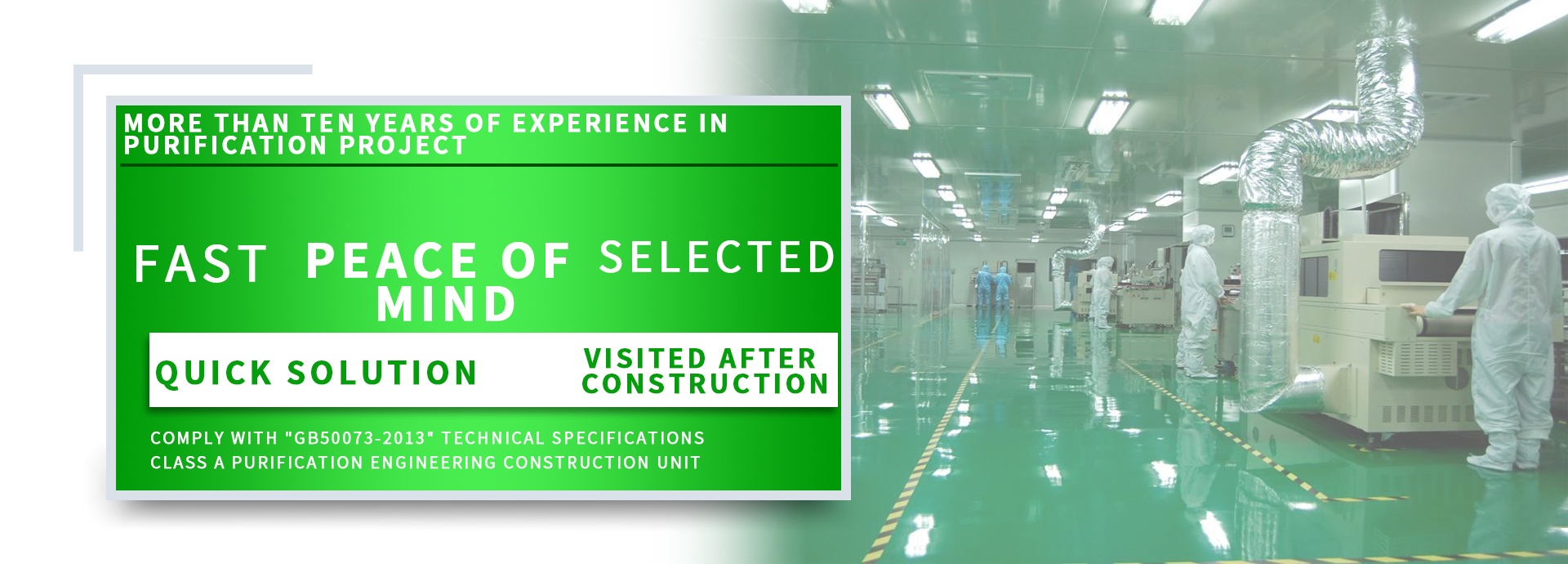
The constant temperature and humidity system, differential pressure control device, and optimized airflow organization are the three pillars for maintaining a clean environment. By standardizing construction processes and recording photos of the entire process, we ensure that each step complies with international standards such as GB50073 and ISO14644-1, fundamentally reducing rework and malfunctions caused by construction defects. The delivery mode of 100% passing the national acceptance standards for the project avoids additional expenses for later rectification.
(3) Quick response after-sales system
The response speed of equipment failure directly determines the size of enterprise losses. The 2-hour service response and 24-hour on-site maintenance mechanism established by Zhongda Environment, combined with one-on-one dedicated customer service for full technical coordination, can quickly locate and solve problems in the early stages. This service barrier allows companies to compress production interruption time to a lower level when facing unexpected situations.
(4) Long term guarantee of warranty period
Providing a 2-year overall warranty and 5-year waterproof warranty standard means that companies do not need to pay additional maintenance fees for systemic issues for a considerable period of time after project delivery. Behind this long warranty period is the confidence in one's own construction quality and material selection.
4、 Industry adaptation and compliance bottom line capability
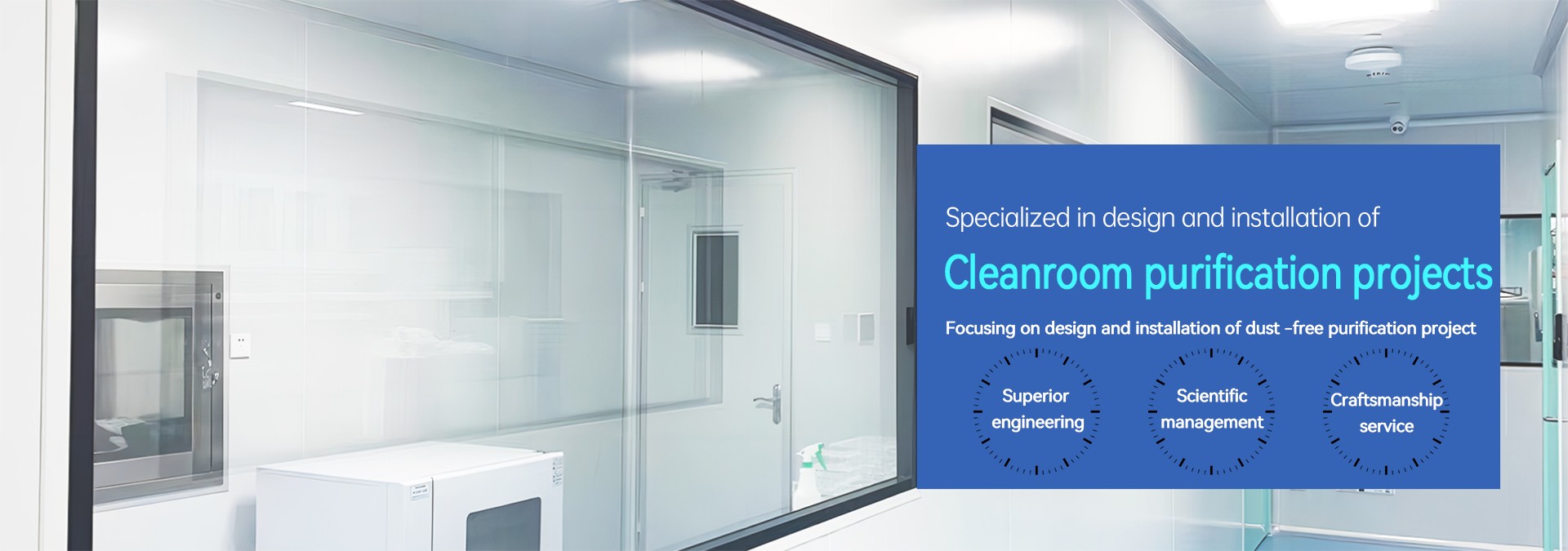
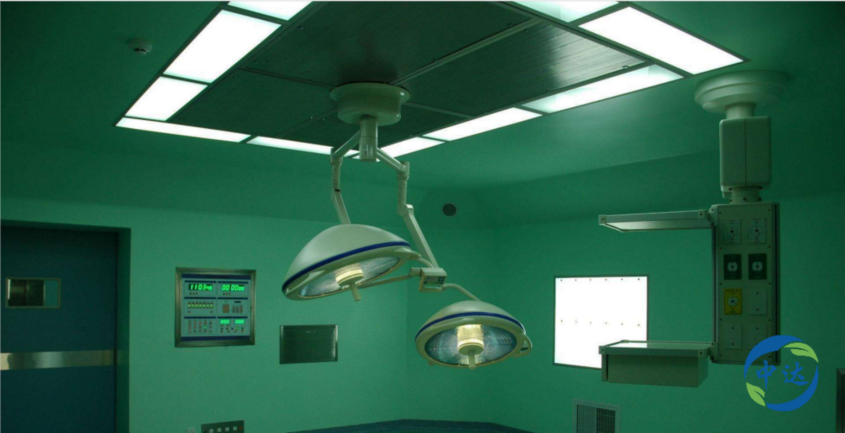
There are differences in GMP requirements among different industries. Biomedical companies need to pay attention to cross contamination prevention and control, food companies focus on controlling bacterial content, and medical device companies emphasize maintaining a sterile environment. A special standard decoration plan for PCR laboratories and operating rooms, which maintains positive indoor ventilation through pressure difference control to prevent external pollutants from entering, while meeting multiple regulatory requirements such as GMP certification, medical device specifications, and food production specifications.
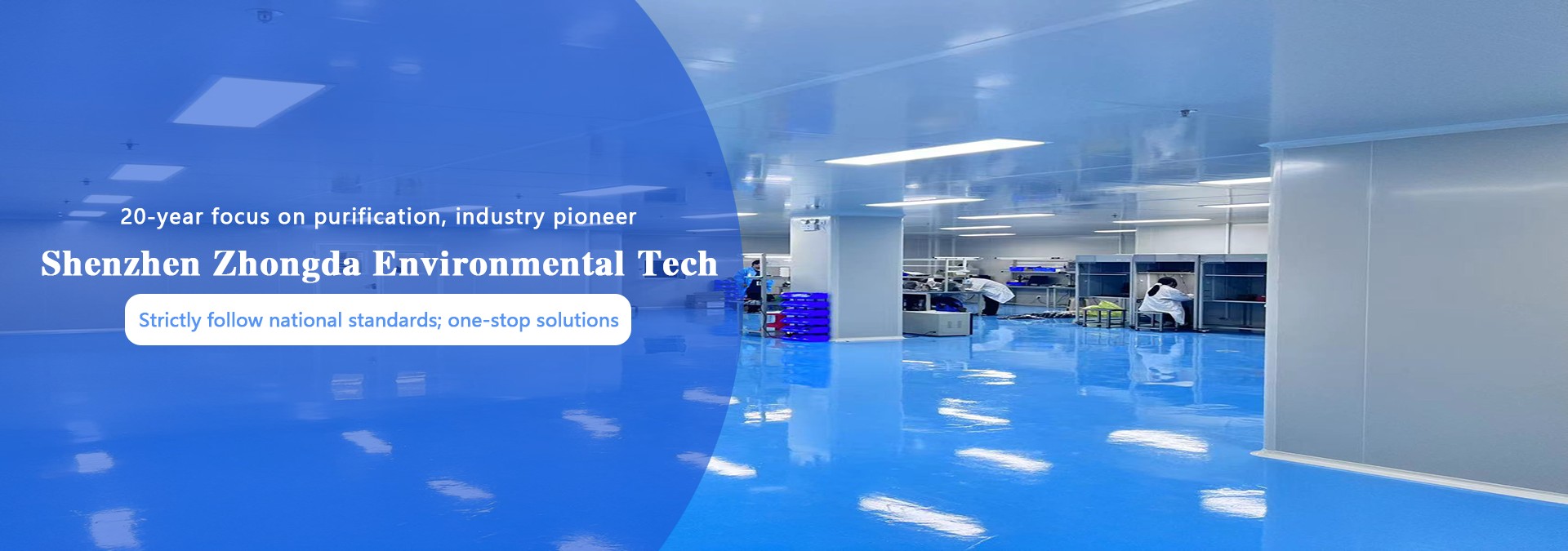
The purification and decoration project of the operating room and PCR laboratory of Shenzhen Third People's Hospital, the hundred level purification shed project and ten thousand level GMP clean room construction of Anli Daily Necessities Co., Ltd., and the construction of a thousand level clean room of TCL Technology Group have all verified the adaptability of systematic design planning in complex scenarios.
5、 Decision support for transparent cost management
When evaluating purification engineering solutions, enterprises often find it difficult to determine cost-effectiveness due to an opaque pricing system. Adopting a transparent pricing model with detailed inventory and no hidden additional items, enterprises can clearly understand the composition of each investment, and the budget can be controlled without exceeding the budget. This approach not only reduces decision-making risks, but also provides a complete basis for later cost accounting and auditing.
6、 Technological accumulation and standardization advantages
We are a service provider with Class B Level 2 qualification for the installation of purification air conditioning engineering equipment, Level 2 qualification for mechanical and electrical installation and decoration professional contracting, and high-tech enterprise certification. We have multiple professional certifications and software copyright technical assets. Strictly implementing the ISO9001 quality system and following standardized processes that comply with national standards such as GB/T51466-2025 can shorten the engineering cycle by an average of 15% to 30% compared to peers, helping enterprises achieve production faster.
Conclusion
The design and planning of GMP compliant purification engineering with low maintenance costs is essentially a cost optimization thinking throughout the entire lifecycle. From the direct supply mode during the construction phase, precise configuration during the operation phase, to rapid response during the maintenance phase, each link requires the support of professional capabilities. Zhongda Environment provides a comprehensive solution for industries such as electronics, biomedicine, food, and healthcare that balances compliance and economy through its advantages of self operated full chain, equipment production and direct supply, standardized construction, and long warranty period. When choosing partners, enterprises should focus on their qualification certification, technical accumulation, practical cases, and after-sales system, in order to achieve sustainable cost control goals while meeting strict production standards.