

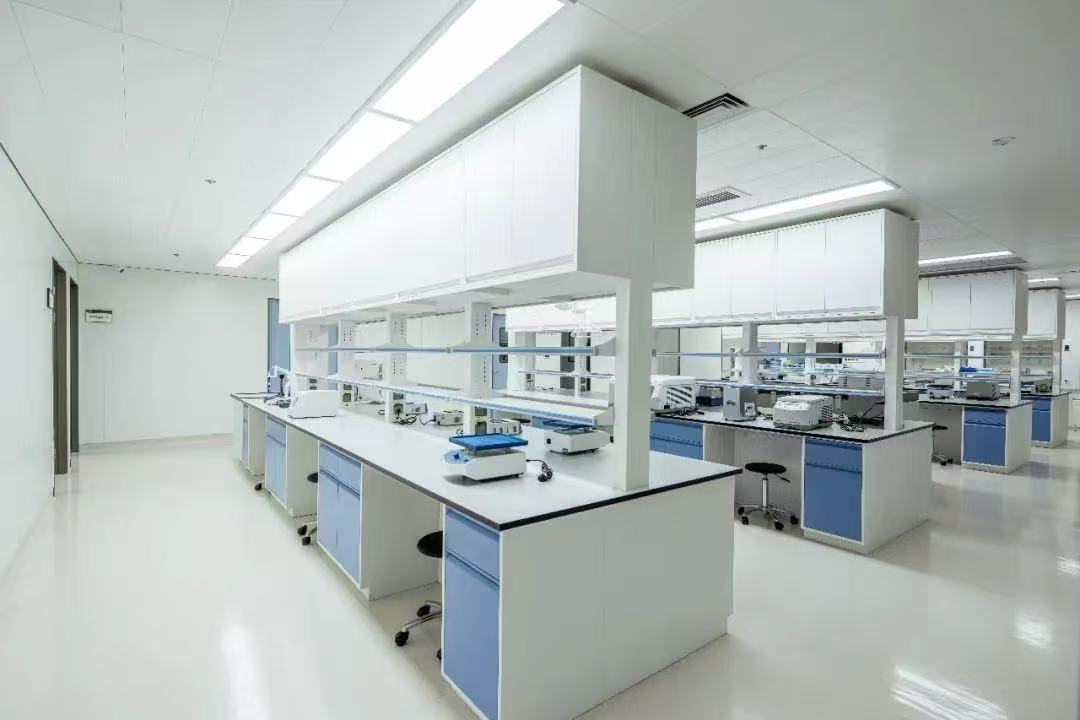
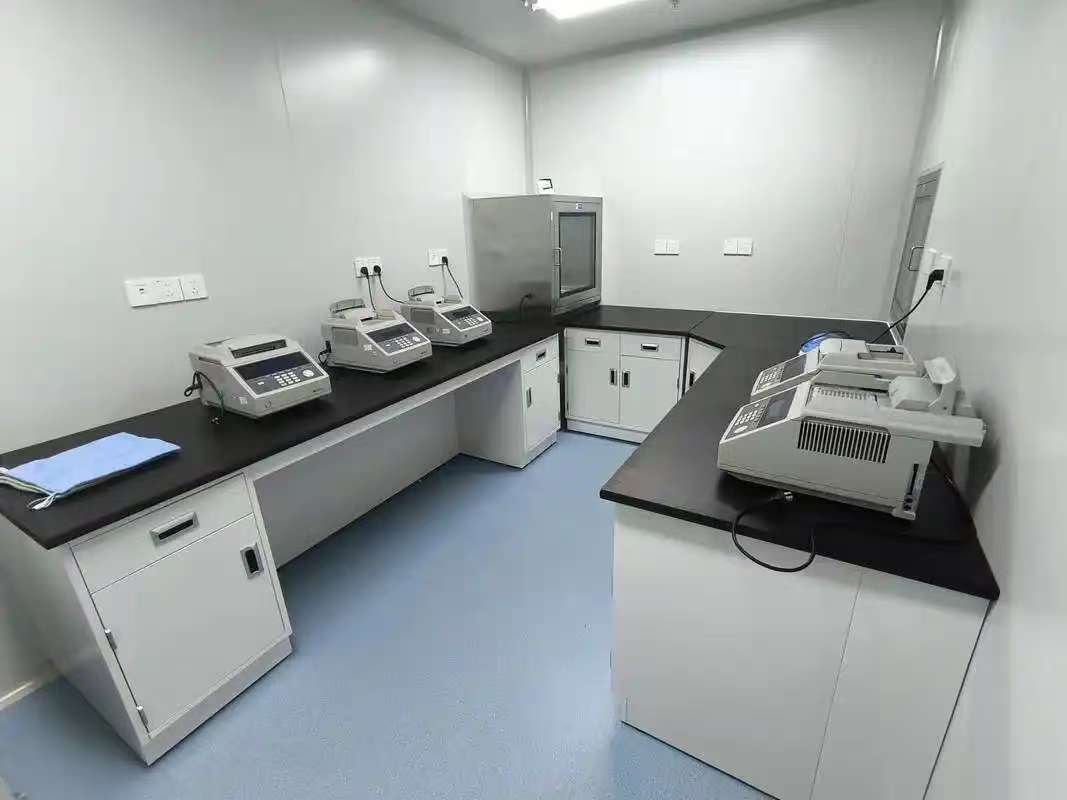
-According to: GB 19489, GB 50346- BSL-2: independent partition, negative pressure, biosafety cabinet, high-pressure sterilization, wastewater and exhaust gas treatment II, functional partition and flow line (anti cross contamination) - strict three zone division: clean area (office/preparation) → semi polluted area (buffer) → polluted area (experiment) - core area: gene operation area, cell culture area, fermentation area, clean area (BSC/ultra clean bench) independent isolation auxiliary area: instrument room, reagent room, gas cylinder room, hazardous waste temporary storage, sterilization room, changing buffer - flow line: human flow, logistics, and sewage flow do not intersect at all; Unidirectional access 3. Decoration materials (corrosion-resistant, easy to clean, no dead corners) - Floor: Epoxy resin self leveling (seamless, acid and alkali resistant, anti slip, easy to clean) - Wall: Color steel plate/antibacterial clean board, with rounded corners R ≥ 50mm, no dust accumulation - Ceiling: Clean ceiling, tightly sealed, easy to maintain - Doors and windows: Sealed doors, double-layer glass; Electronic interlocking doors for clean areas; Antibacterial sealing strip - countertop: physical and chemical board/ceramic board, resistant to strong acids and alkalis, high temperatures. 4. Ventilation and air conditioning (safety first) - core principles: negative pressure in polluted areas, slight positive pressure in clean areas, one-way airflow without backflow - air exchange rate: 10-20 times/hour; BSL-2 higher - Exhaust: The biological safety cabinet/fume hood has independent exhaust, which is treated with HEPA, activated carbon, and plasma before being discharged - Air conditioning: constant temperature and humidity (22 ± 2 ℃, humidity 40-60%); Precision zone UPS - Differential pressure: Pollution zone external * * -5~-15Pa * *, gradient control 5, water and gas circuits (stable and reliable) - Circuit: Dual circuit+UPS; Redundant sockets and splash proof; Independent voltage stabilization and grounding in the instrument area; Explosion proof electrical appliances for explosion-proof areas - waterway: divided into tap water, pure water, and ultrapure water; The experimental platform is equipped with emergency shower and eye wash stations; Drainage anti backflow+disinfection pre-treatment - gas path: centralized gas supply+dedicated gas cylinder room (close to the exterior wall, ventilated, explosion-proof); Pipeline exposed, corrosion-resistant, and leak proof; Combustible gas leakage alarm 6. Three waste treatment (closed-loop harmless) - Wastewater: high temperature inactivation (121 ℃/30min)+chemical disinfection, standard discharge - Waste gas: HEPA filtration+activated carbon adsorption+plasma oxidation, in compliance with national standards - Solid waste: infectious waste, after high-pressure sterilization at 134 ℃/45min, handed over to qualified units for disposal; Chemical solid waste classification and collection 7. Safety and fire protection (multiple protection) - Biosafety: BSC secondary cabinet, UV disinfection, access control, video surveillance, emergency eye wash/shower - Fire protection: heptafluoropropane gas fire extinguishing (experimental area), dry powder fire extinguishers, emergency lighting, escape signs - Emergency: emergency sprinkler, eye wash, first aid kit, leak treatment kit; Regular Exercise 8, Compliance and Acceptance (mandatory) - Advance Filing: BSL-2 and above should be filed with the CDC; Environmental impact assessment, fire protection, and safety supervision are simultaneously submitted for review and acceptance: comprehensive testing of biological safety, cleanliness, ventilation, pressure difference, three wastes, and fire protection. Nine, key points for avoiding pits - decoration without first determining the BSL level → extremely high cost of later rectification - ventilation/gas/water and electricity are not independent → cross pollution+safety hazards - materials are not corrosion-resistant/have blind spots → difficult cleaning and disinfection, easy to breed pollution - ignoring pressure difference and airflow → aerosol leakage risk