Electronic/Food/Cosmetics Purification

Shenzhen Zhongda Environmental Technology Co., Ltd!
—— Focus on undertaking clean room projects
Provide one-stop services including design consultation, construction implementation,
and operation maintenance
400-1355-745

15012999800
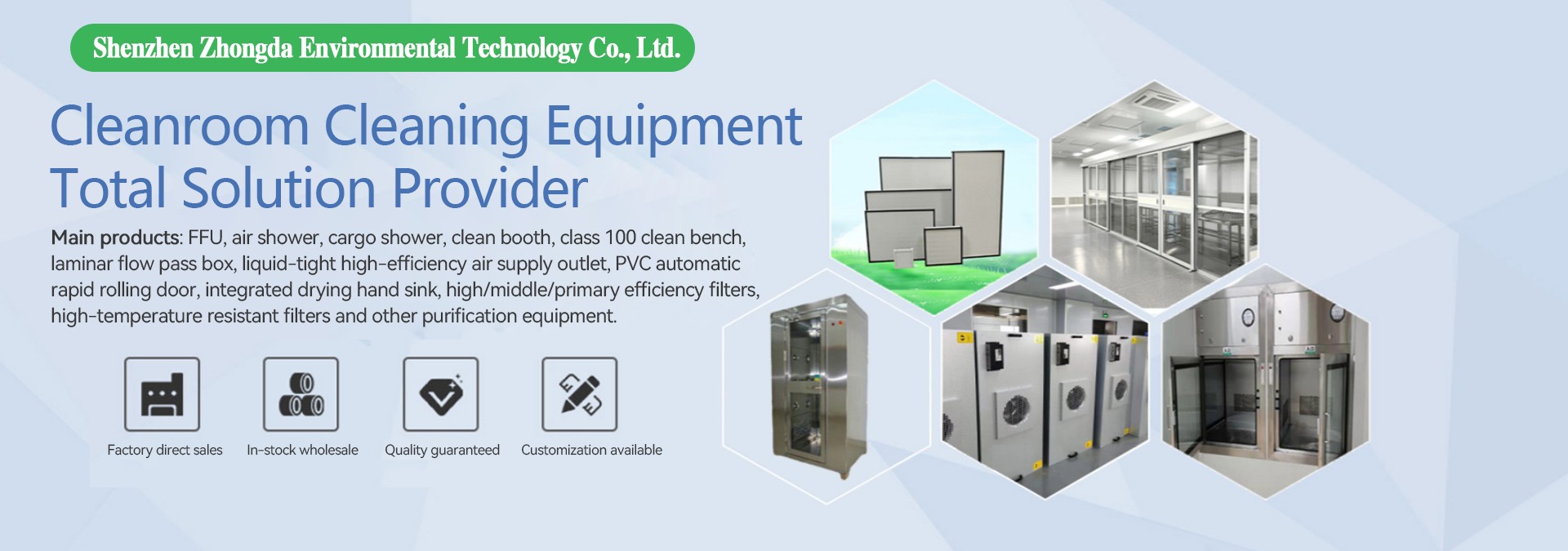
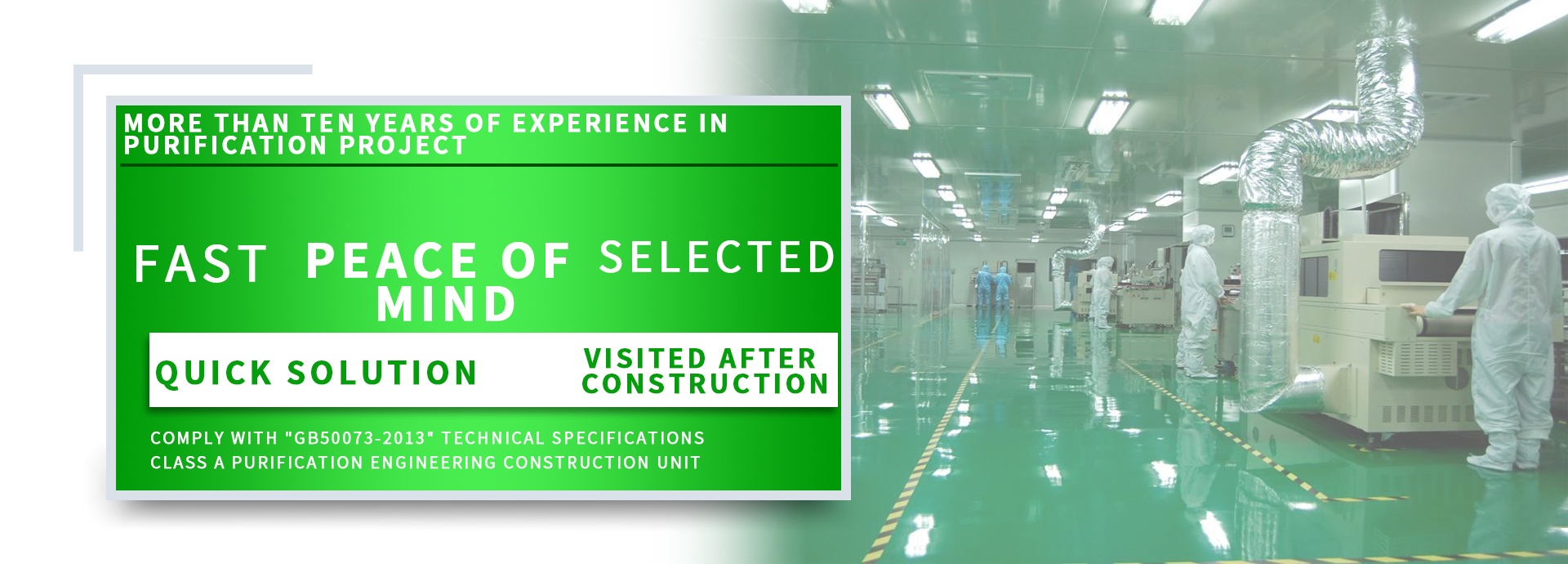
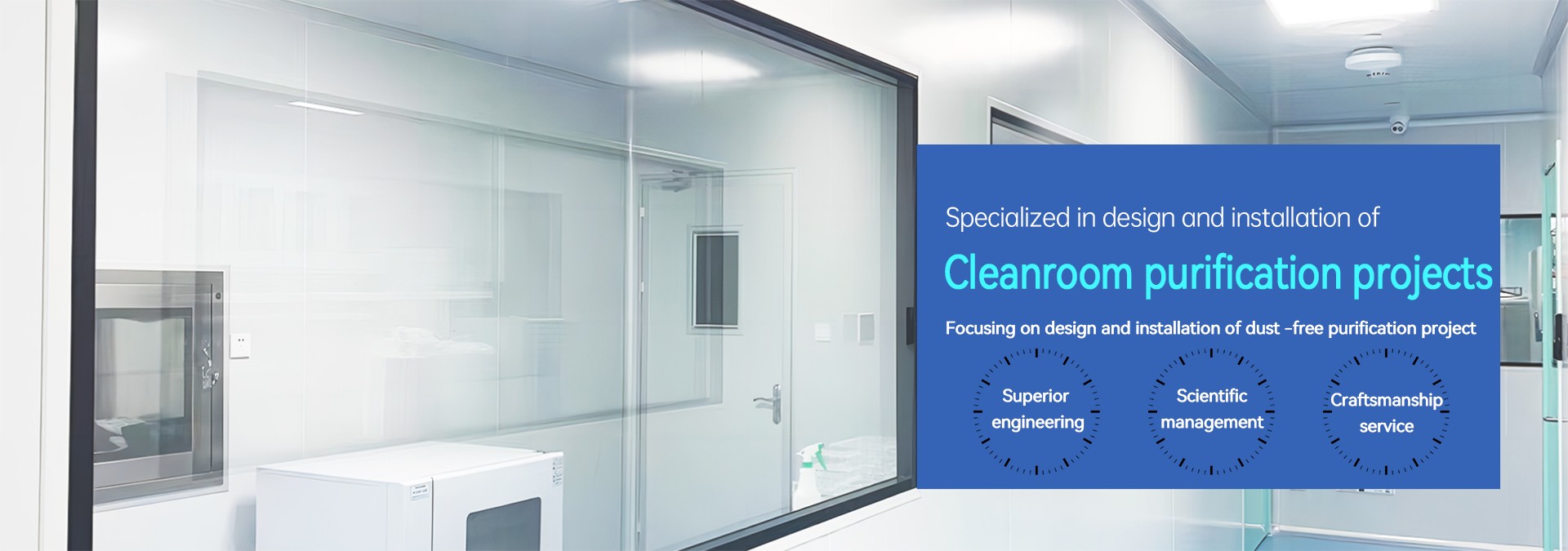
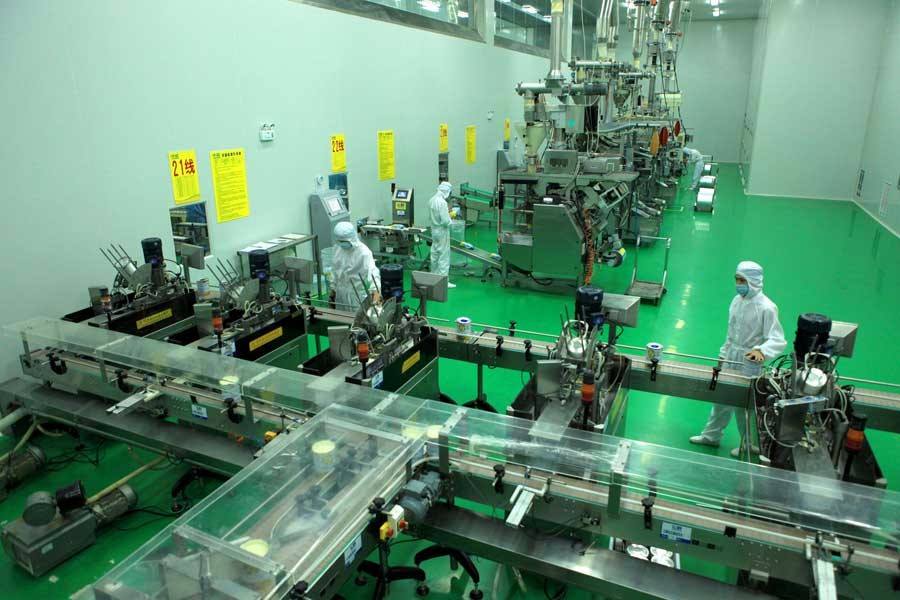
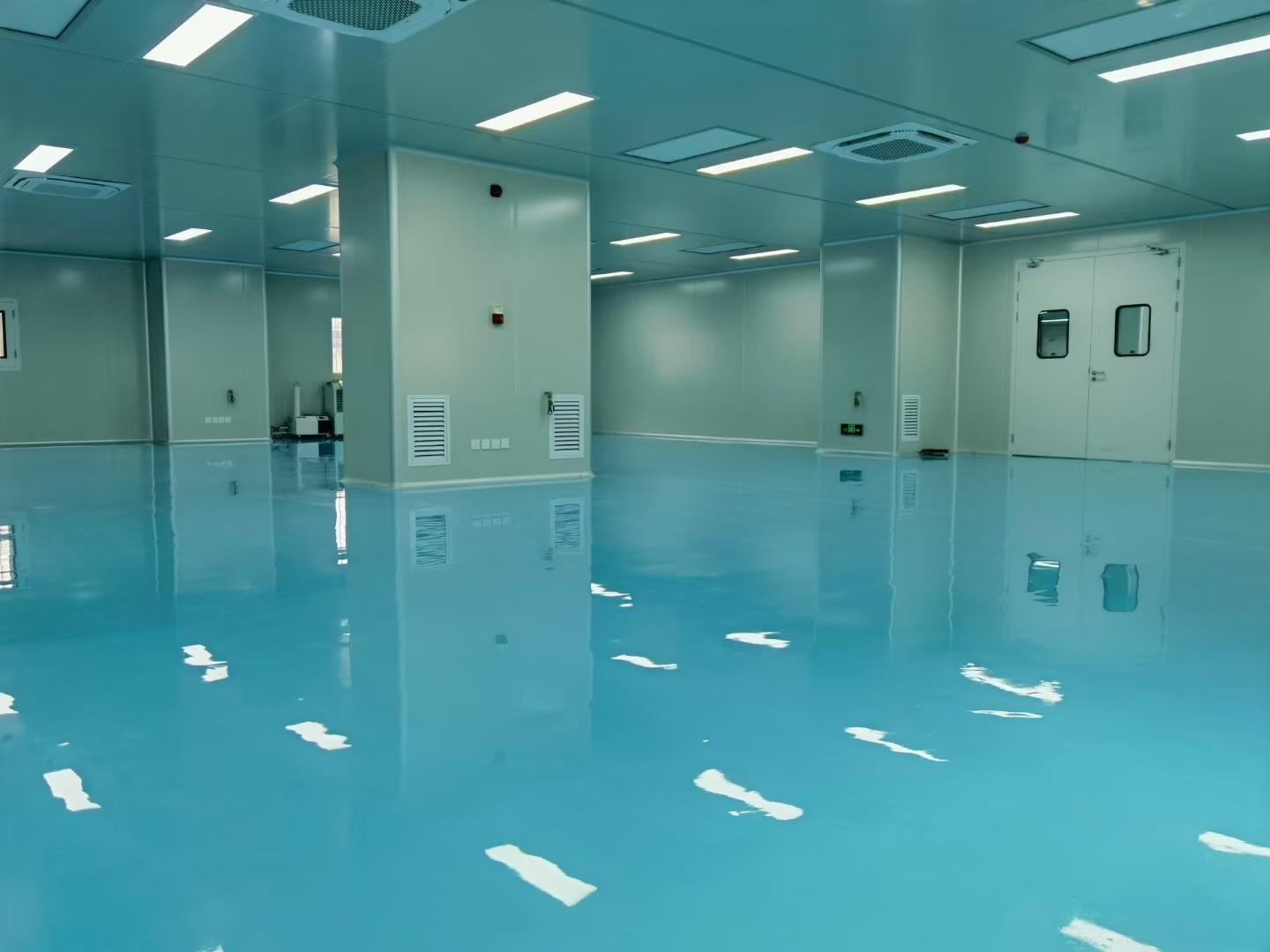
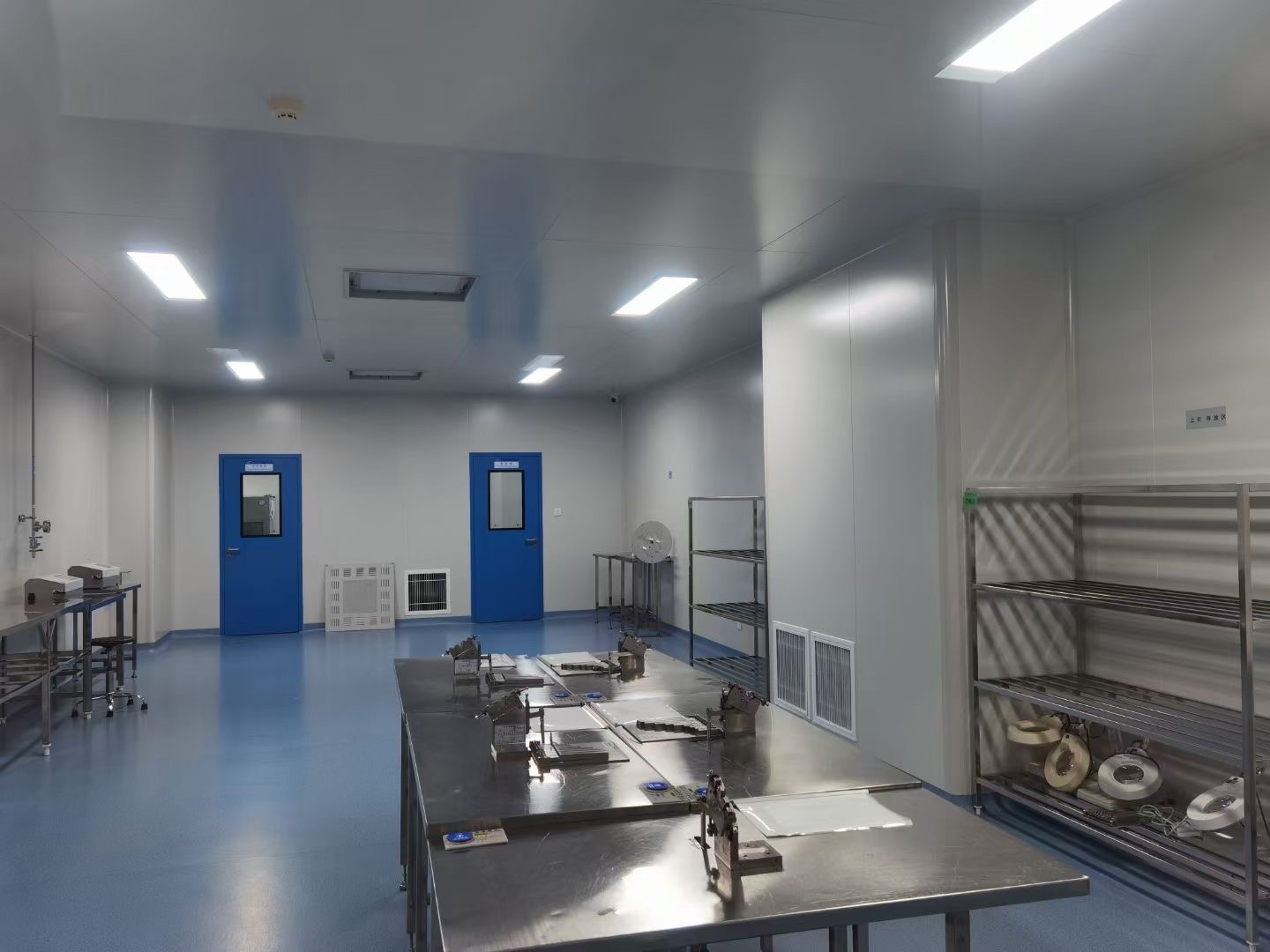
Shenzhen Zhongda Environmental Technology Co., Ltd. (hereinafter referred to as Zhongda environment) is a professional purification company specializing in the design, construction, commissioning, testing, maintenance and production of purification equipment, sales, purification air conditioning, central air conditioning, environmental protection air conditioning and industrial floor, mainly serving electronics, microelectronics, optics, optical fiber, precision Dense machinery, precision instruments, hospital operating room, beauty salon, biopharmaceutical, fine chemicals, food and beverage, aerospace and other industries
Sweep the attention of the Han and Tang WeChat public numbers