PCR laboratory/operating room purification
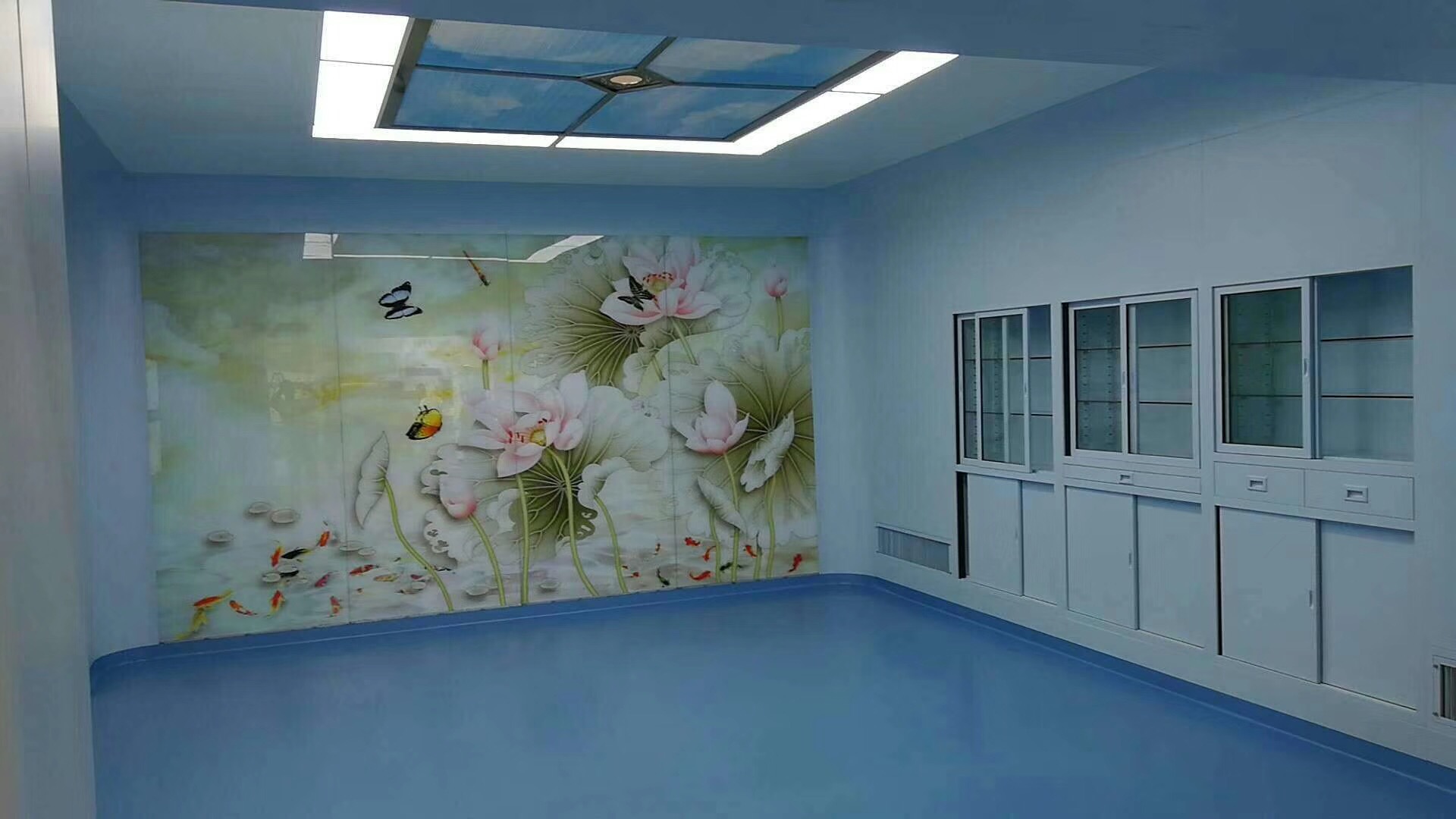

Surgery has strict requirements for site selection and layout in hospitals. It is usually located in the core area of the hospital, away from areas with high foot traffic, to reduce the entry of bacteria and dust. The operating room group generally includes the main operating room, sterile preparation area, anesthesia preparation area, postoperative recovery area, etc. These areas are closely connected and the flow design is reasonable to reduce the pollution risk caused by personnel movement. Selection of wall and floor materials: The wall and floor materials in the operating room must be easy to clean and antibacterial. Walls are usually made of seamless antibacterial coatings or PVC wall panels, which have smooth surfaces, do not absorb water, and are not prone to bacterial growth. Seamless PVC flooring or epoxy resin flooring are commonly used on the ground, which are wear-resistant, antibacterial, anti slip, and easy to thoroughly clean. Air purification system: Air quality is crucial for the cleanliness of the operating room. Therefore, the operating room is equipped with an efficient air purification system. The laminar flow cleaning system can filter out particles and bacteria in the air through a filtration system, providing a clean air environment. High efficiency particulate air (HEPA) filters can capture over 99.97% of particles with a diameter of 0.3 microns, ensuring the cleanliness of the air in the operating room. Temperature and humidity control: The temperature and humidity in the operating room also need to be strictly controlled. Appropriate temperature and humidity can not only improve the comfort of medical staff, but also reduce bacterial growth. The operating room is generally maintained between 20-25 degrees Celsius and a relative humidity of 50% -60%. In addition, the air conditioning system is equipped with dehumidification and humidification functions to maintain environmental stability. Lighting design: The lighting design of the operating room also has its unique features. Surgical lights must provide sufficient, uniform, and shadow free light to help doctors see the surgical site clearly. Surgical lights usually use LED light sources, which have the characteristics of high brightness, low heat, and long lifespan. At the same time, the overall lighting in the operating room should be bright, but the light should not be glaring to alleviate visual fatigue for medical staff.