

What is a cleanroom? How to define?
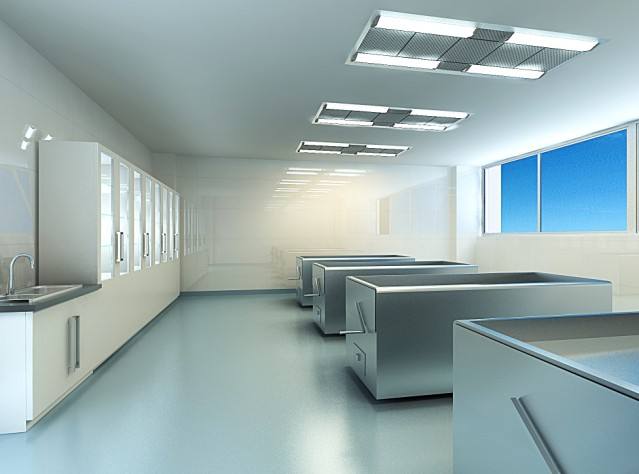
Cleanroom engineering refers to the use of a series of technical measures through reasonable layout and decoration to minimize the presence of fine dust and harmful gas pollutants in the workshop air, in order to meet the specific industry's demand for a clean environment. The demand for cleanroom engineering varies among different industries. Below, we will analyze the demand for cleanroom engineering in different industries from five aspects
1. Electronics industry: The electronics industry has very high requirements for cleanliness, and clean rooms need to meet the ultra clean room level, that is, cleanliness of over 100 levels. In addition, the electronics industry also has high requirements for static electricity control, static electricity protection, temperature and humidity control, and other aspects. A dust-free workshop requires reasonable electrical circuit layout, anti-static floor laying, and installation of static eliminators to reduce static electricity generation and accumulation. 2. Pharmaceutical industry: The pharmaceutical industry has high requirements for the cleanliness of clean rooms, which are currently mainly divided into two levels: hundred level purification and thousand level purification. The dust-free workshop needs to be equipped with high-efficiency filters, air purification equipment, UV sterilizers and other devices, as well as measures to support personnel in sealing clothing, hand washing and disinfection, to ensure that the products are free of 3 Food industry: The food industry also has high requirements for the cleanliness of dust-free workshops, mainly using hundred level and thousand level purification levels. The dust-free workshop needs to install high-efficiency filters, clean lighting equipment, clean ventilation equipment, etc. to ensure that the food production process is free of foreign matter and microbial contamination. 4. Optical industry: The optical industry has very high requirements for cleanliness and static electricity. The dust-free workshop requires the installation of ultra clean workbenches, ultra clean inverted hair dryers, filtration devices, etc., as well as the prevention and control of static electricity. 5. Pharmaceutical industry: The pharmaceutical industry generally has high requirements for the cleanliness of clean rooms, mainly divided into hundred level purification and thousand level purification. The dust-free workshop requires the installation of efficient filtration devices, clean lighting equipment, clean ventilation equipment, etc. to ensure the sterility and dust-free nature of the pharmaceutical process. In addition to the different cleanliness requirements of different industries, there are also some universal measures applicable to all cleanroom projects, such as reasonable air flow pattern design, use of high-efficiency filters, sealing performance requirements, constant temperature and humidity, etc. At the same time, the dust-free workshop also needs to regularly monitor and test the air quality and cleanliness to ensure that the workshop is continuously in a clean state. In short, different industries have different requirements for cleanroom engineering, mainly reflected in cleanliness, electrostatic control, temperature and humidity control, and other aspects. It is necessary to meet both industry-specific cleanliness requirements and industry-specific special needs. Cleanroom engineering requires customized design and construction based on industry characteristics to meet the needs of different industries for clean environments.