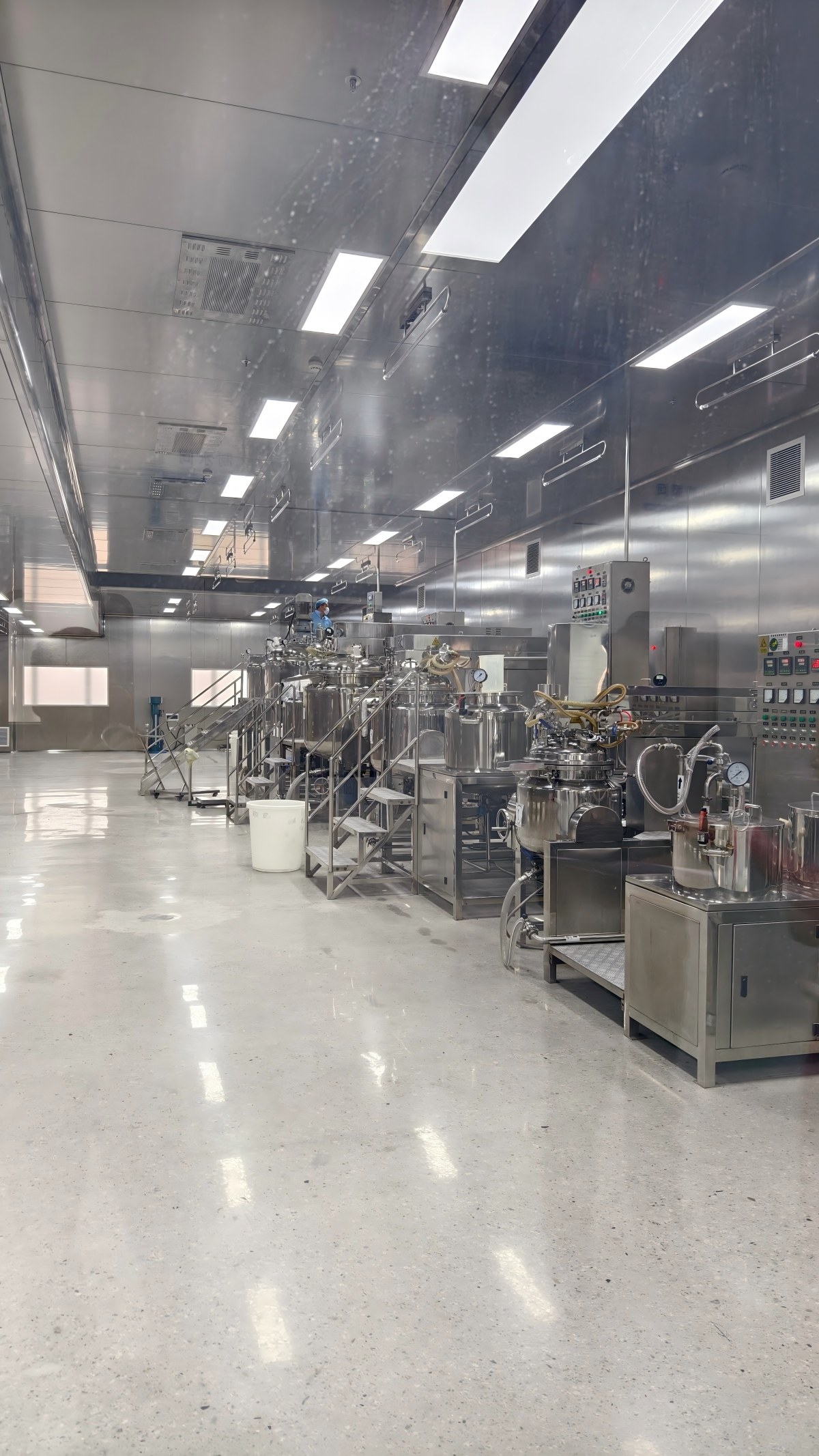

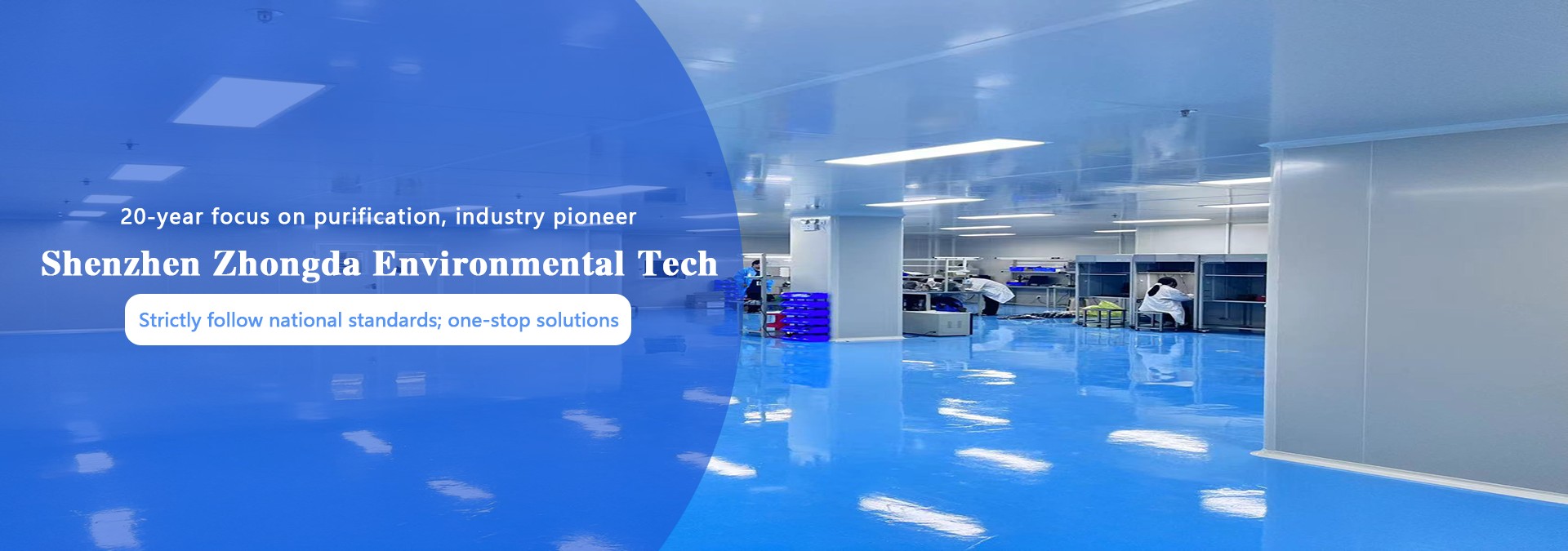
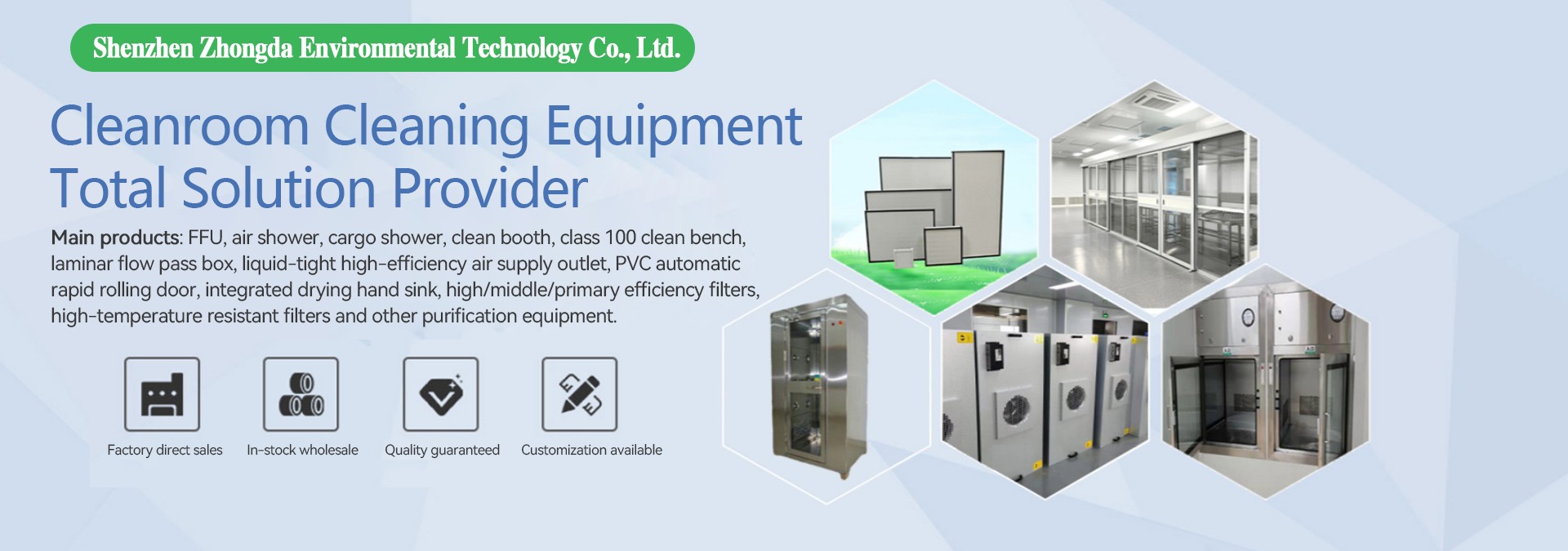
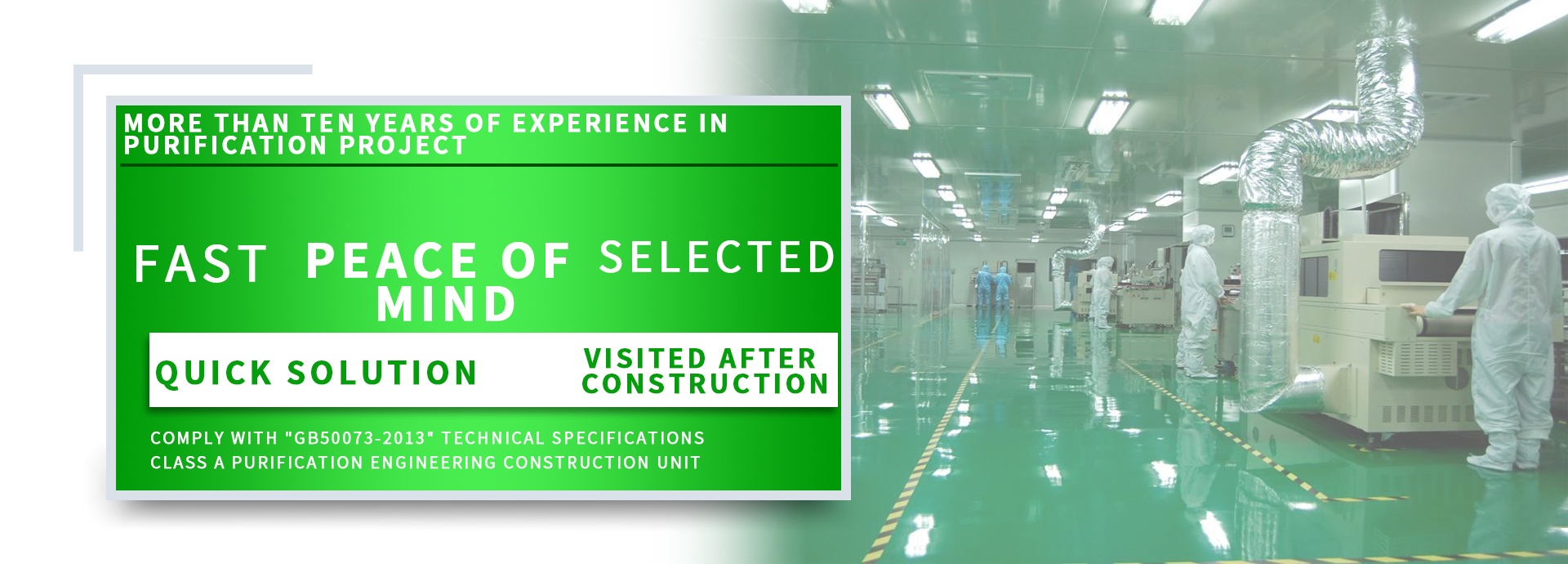
Cosmetics come into direct contact with human skin and mucous membranes, and their safety and quality are directly related to consumer health. However, the types of raw materials for cosmetics are diverse, and natural extracts such as aloe vera extract and plant essential oils are highly susceptible to dust and microbial contamination, which in turn affects product quality and shelf life. Therefore, a dust-free and sterile purification plant that meets the standards is the core guarantee for cosmetics production. The scientific and standardized design of its decoration directly determines the reliability of the production environment. Zhongda Environment deeply cultivates the field of purification engineering and, combined with the production characteristics of the cosmetics industry, elaborates on the five core principles that need to be followed in workshop decoration. 1、 Unified coordination principle: Build a solid foundation for collaborative production. The decoration layout should adhere to the core principle of organic integration of the five elements of "people, machines, materials, methods, and environment". The five elements do not exist in isolation, but are interrelated as a whole. If the layout is unbalanced, it can easily lead to process fragmentation and poor flow connection, which not only prolongs the downtime of materials and personnel, increases handling costs and energy consumption, but also may cause pollution risks. When designing, it is necessary to comprehensively consider the adaptability of each link, ensuring a smooth process from raw material storage, pretreatment, production and processing to finished product inspection, and consolidating the foundation of efficient production. 2、 The principle of shortest distance: dual empowerment of improving efficiency and reducing losses. The layout planning focuses on the core direction of "shortest movement distance and least time". The production of cosmetics involves the transportation of multiple types of raw materials and semi-finished products, and the transportation distance directly affects the handling efficiency, cost, and pollution probability. Reasonably plan the locations of functional areas such as raw material warehouses, production workshops, semi-finished product storage areas, and finished product warehouses, optimize material transfer paths, and reduce roundabouts and turns; Synchronize and optimize personnel flow paths to avoid cross interference between human-machine paths, achieving the dual goals of efficiency improvement and loss reduction. 3、 Principle of smooth flow of people and goods: strictly adhere to the bottom line of pollution prevention and control. The orderly flow of people and logistics is the key to ensuring workshop cleanliness and avoiding pollution. The production of cosmetics requires extremely high levels of sterility. If there is backflow or cross flow of people and materials, it can easily lead to the spread of pollutants, cause quality problems, increase management difficulty, reduce efficiency, and even cause safety hazards such as personnel collisions and material leaks. Clear separation channels need to be established during design: personnel must go through clean processes such as changing clothes, disinfection, and air shower before entering the production area; Materials need to go through cleaning, disinfection, transfer windows and other processes to enter the clean area, avoiding crossing with personnel passages throughout the process, and building a strong prevention and control line from the layout level. 4、 Principle of safety satisfaction: Ensure stable and orderly production. Decoration design should place "personnel safety and comfortable operation" in an important position. Only by ensuring the safety and health of employees can work fatigue be reduced, production enthusiasm and stability be improved. In response to the potential risks of heavy objects and chemical contact injuries in raw material handling and equipment operation, it is necessary to plan the equipment placement space reasonably to ensure sufficient operation spacing; Equipped with standard protective and emergency equipment; Optimize the height of the workbench and transportation tools to reduce labor intensity; At the same time, ensure that environmental parameters such as ventilation, lighting, temperature and humidity are suitable, and create a safe and comfortable working environment. 5、 Flexible principle: Adapt to dynamic production needs. The cosmetics industry has fast product iteration, and the production process and capacity scale are easily adjusted according to market demand. The workshop layout needs to have flexible and adaptable characteristics. During design, it is necessary to reserve expansion space for subsequent process additions, equipment upgrades, or capacity increases; Adopting modular design to plan partitions and pipeline layout, facilitating later adjustments and renovations, and avoiding large-scale demolition and renovation. This principle can reduce the cost and cycle of later adjustments, help enterprises quickly adapt to market changes, and enhance their core competitiveness. In summary, the five core principles revolve around the core goals of "clean and safe, efficient collaboration, and flexible adaptation", which are important supports for ensuring product quality and improving production efficiency. Zhongda Environment, with a profound understanding of industry demands and professional design and construction capabilities, precisely controls various principles to tailor purification workshops that meet standards and meet the needs of cosmetics enterprises. If you have decoration needs, choose Zhongda Environment and let a professional team protect your production quality. For more professional knowledge, please stay tuned.